Motherhood Burnout: How to Cope & Reclaim Your Peace
Feeling overwhelmed by motherhood burnout? Discover practical strategies to recognize signs, prioritize self-care, ask for help, and build resilience to reclaim your peace.
Motherhood Burnout: How to Cope & Reclaim Your Peace
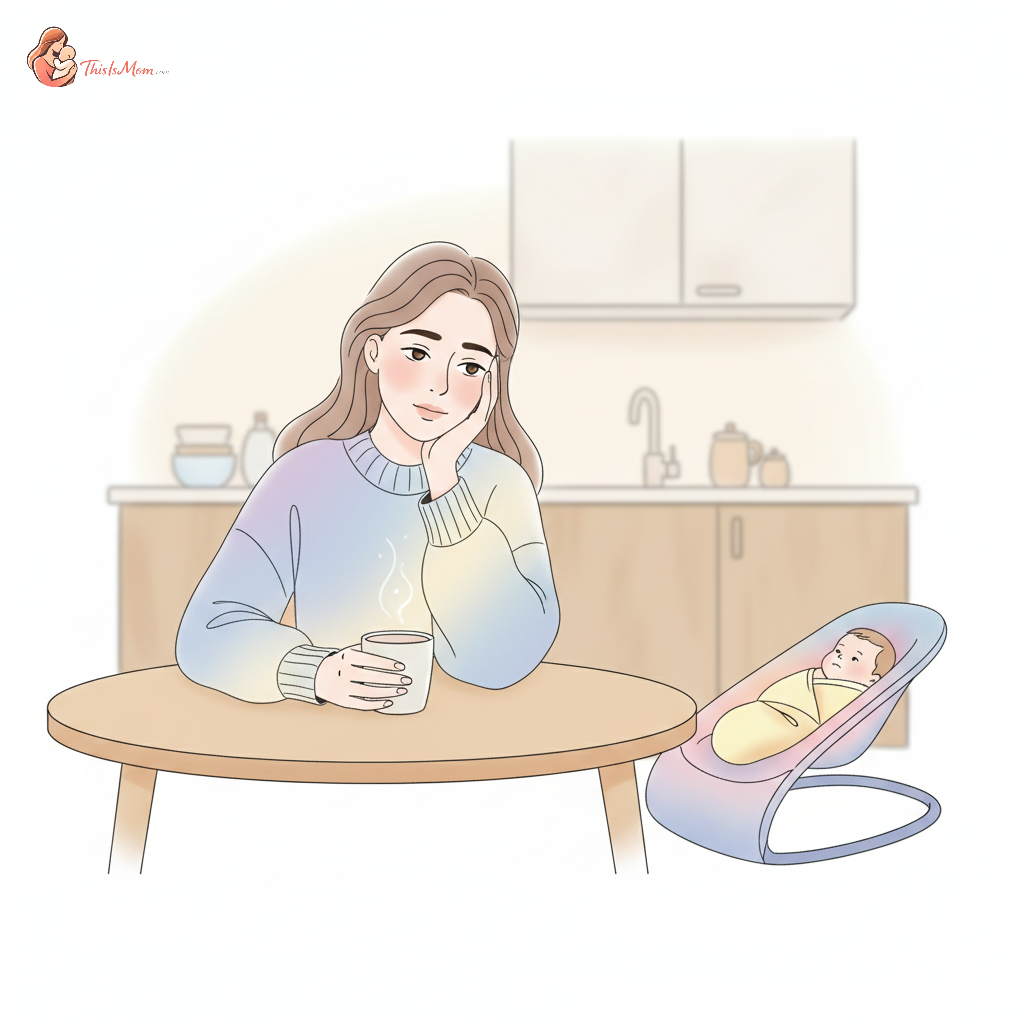
It was 4:17 a.m. when I stared at the ceiling fan, willing it to spin faster, as if that would somehow speed up time until Noah decided it was okay to nap for more than 30 minutes. My body ached in places I didn’t know existed, and the silence of the house felt deafening, broken only by the soft puff of Noah’s breath from his bassinet. The truth is, I felt hollowed out. Not just tired, but drained. This was my first real encounter with what I now know is motherhood burnout, and it hit me like a ton of unwashed laundry.
This overwhelming feeling, this pervasive exhaustion, is a real thing for so many of us. It’s more than just a rough patch; it’s a sign that we’re running on empty. Understanding motherhood burnout and how to cope is crucial for us moms navigating the beautiful, chaotic, and often exhausting, reality of raising tiny humans.
What Motherhood Burnout Really Feels Like (Beyond Just Being Tired)
When they say motherhood is a marathon, they’re not kidding. But sometimes, it feels less like a marathon and more like you’re running it backward, uphill, with a stroller full of rocks. Being tired is a given. You sleep when the baby sleeps, you drink cold coffee, you accept that "showered" is a relative term.
But burnout is a whole different beast. It’s that bone-deep fatigue that even a full night’s sleep (if that were even possible right now) wouldn’t fix. It’s a pervasive sense of dread that creeps in when you think about the day ahead.
It's the feeling that you're constantly failing, even when you're doing all the things. The joy you once felt in parenting starts to feel distant, like a memory from someone else’s life.
Recognizing the Signs: Is It Burnout or Just a Bad Week?
Honestly, it’s easy to dismiss these feelings. We’re moms; we’re supposed to be tired, right? We’re supposed to put our kids first. But there’s a line, and when you cross it, things start to feel… off. Recognizing the signs of mom burnout is the first step to getting back to yourself.
Emotional Exhaustion and Detachment
This is where you feel like you have nothing left to give. Your patience is thinner than a single ply of toilet paper. You find yourself snapping more, or worse, feeling completely numb.
You might start to feel disconnected from your baby, which is terrifying. It’s not that you don’t love them; it’s just that the emotional energy required to engage feels impossible. It’s like your emotional battery is at 1% and there’s no charger in sight.
Loss of Enjoyment in Parenting
Remember when you couldn't wait to experience every little milestone? Now, the thought of another playdate or a new "developmental stage" feels like a chore. The things that used to bring you joy—watching your baby discover their toes, hearing their first giggle—start to feel like background noise.
You might even find yourself fantasizing about escape, not in a malicious way, but in a desperate need for a moment’s peace. This loss of enjoyment is a significant red flag for parental burnout.
Physical Symptoms of Stress
Our bodies are pretty smart; they tell us when something’s wrong. For me, it was constant headaches and a persistent knot in my stomach. You might experience:
- Sleep disturbances (beyond new parent insomniac-level)
- Changes in appetite
- Increased anxiety or irritability
- Frequent illness because your immune system is just done
These physical symptoms are your body screaming for attention, a clear indicator that you’re overwhelmed.
Practical Strategies to Cope with Motherhood Burnout Now
Okay, so you’ve recognized the signs. Now what? The good news is, you don’t have to wait for a magic wand. There are real, actionable strategies to help you cope with motherhood burnout right now. It’s about small shifts that make a big difference.
Prioritizing Micro-Moments of Self-Care
Forget the spa days and weekend retreats for now. We’re talking about micro-moments. These are tiny pockets of time, 5-10 minutes, where you intentionally do something for you.
- Steal five minutes to drink your coffee while it’s still hot.
- Take a longer shower and listen to a podcast.
- Step outside for a few deep breaths of fresh air, even if it’s just on your stoop.
- Read one chapter of a book or scroll through something that isn't parenting-related.
These small acts of self-care are like tiny sips of water when you’re parched. They remind you that you are still a person outside of your role as "mom."
Delegating and Asking for Help (Without Guilt)
This is a tough one for so many of us. We’re programmed to be Supermom, to do it all. But the truth is, you don’t have to.
- Your partner: If you have one, communicate your needs clearly. They can’t read your mind. Ask for specific tasks: "Can you handle bedtime tonight?" or "Could you please take Noah to his doctor's appointment?"
- Family and friends: Don’t be afraid to accept offers of help. If someone asks, "What can I do?" have a list ready: "Could you bring over a meal?" or "Could you watch Noah for an hour so I can grocery shop alone?"
- Paid help: If your budget allows, consider hiring a babysitter, a cleaning service, or even a meal delivery service. It’s not a sign of weakness; it’s a smart investment in your well-being.
Remember, asking for help isn't failing; it's being resourceful.
Setting Boundaries with Grace
Boundaries are essential for preventing burnout. This can be tricky when you have a tiny human who needs you 24/7, but it’s still possible.
Discover your baby's phase
- Limit visitors: If you’re feeling overwhelmed, it’s okay to say no to or postpone visits from well-meaning friends and family.
- Protect your sleep: Establish a clear bedtime routine for yourself and your partner regarding baby duties.
- Say no to extra commitments: Don’t overschedule yourself or your family. It’s okay to decline invitations or requests that will stretch you too thin.
Setting boundaries isn't about pushing people away; it’s about protecting your energy so you can be present for the people who matter most.
Reconnecting with Your ‘Non-Mom’ Self
When your identity becomes solely "mom," burnout can feel inevitable. You need to carve out space to remember who you were before, and who you still are.
What did you love to do? What hobbies did you have? What made you feel alive?
Even if it’s just for 15 minutes a week, try to engage in something that isn’t about nurturing or caring for others. Listen to music you love, dabble in an old craft, or reconnect with friends about non-baby topics. This helps maintain your sense of self.
Building a Support System: It Takes a Village (Even if It's a Small One)
We’ve all heard the saying, “It takes a village.” In today’s world, that village might look different, but it’s still crucial. You cannot do this alone, and you shouldn't have to.
Finding Your Mom Tribe
Connecting with other moms who get it is like finding an oasis in the desert. Look for local mom groups, online forums, or even just one or two friends who are in similar stages of life.
Sharing your struggles and hearing that you're not the only one feeling this way can be incredibly validating. These are the people who will celebrate your wins and sit with you through the tough stuff, no judgment.
Communicating with Your Partner
If you have a partner, they are your primary support. Open, honest communication is key to navigating the demands of parenthood together.
- Schedule regular check-ins: Talk about how you’re both feeling, what’s working, and what’s not.
- Share the load: Ensure household chores and childcare responsibilities are divided fairly, acknowledging that "fair" might look different on different days.
- Prioritize couple time: Even if it’s just 20 minutes after the baby is asleep, reconnecting as a couple can help you feel like a team.
Your partner is your ally in combating burnout.
Knowing When to Seek Professional Help
Sometimes, no matter how much you try, you can’t pull yourself out of the exhaustion and overwhelm. That’s okay. Seeking professional help is a sign of strength, not weakness.
- Therapy: A therapist can provide tools and strategies for managing stress, anxiety, and depression, and help you process the emotional toll of motherhood. This is linked to the article on PPD strategies.
- Your doctor: If you’re experiencing significant physical symptoms or prolonged emotional distress, talk to your physician. They can rule out any underlying medical issues and offer referrals. When experiencing distress, it is important to have support systems in place.
There’s no shame in needing a little extra support.
Preventing Burnout: Small Shifts for Long-Term Resilience
While coping strategies are essential for managing burnout when it hits, prevention is just as important. Building resilience from the start can make a world of difference in the long run.
Mindful Scheduling and Realistic Expectations
The pressure to be constantly productive, to always be "doing" something, is immense. But trying to fit too much into your day is a fast track to burnout.
- Embrace downtime: Schedule rest and unstructured time into your week.
- Be realistic: Understand that some days will be chaotic, and that’s perfectly normal. Don’t expect perfection.
- Focus on one thing at a time: Multitasking is often less efficient and more stressful.
Embracing Imperfection (The 'Good Enough' Parent)
The idea of the "perfect parent" is a myth. Research suggests that being a "good enough" parent is actually what’s best for children. Understanding the shift in parenting styles can help alleviate pressure.
- Let go of the pressure: You don't have to have Pinterest-perfect crafts or Instagram-worthy outings every day.
- Celebrate small victories: Acknowledge what you did accomplish, rather than focusing on what you didn’t.
- It’s okay to not have all the answers: Nobody does.
Reframing Your Perspective on Daily Demands
The way we think about our challenges can significantly impact our stress levels. Try reframing your perspective:
- Instead of "I have to," think "I get to." (e.g., "I get to cuddle my baby," not "I have to hold my baby again.")
- Focus on the present moment: When you’re overwhelmed by the future, try to bring yourself back to what’s happening right now. This can be especially helpful when dealing with a toddler who resists sleep.
- Find gratitude: Even on the hardest days, try to identify one thing you’re thankful for.
These shifts in thinking can help build a more resilient mindset.