New Parents Apartment Fire Support: A Comprehensive Guide
Navigating an apartment fire as new parents is terrifying. This guide offers support on immediate steps, finding shelter, tenant rights, rebuilding, and emotional healing.
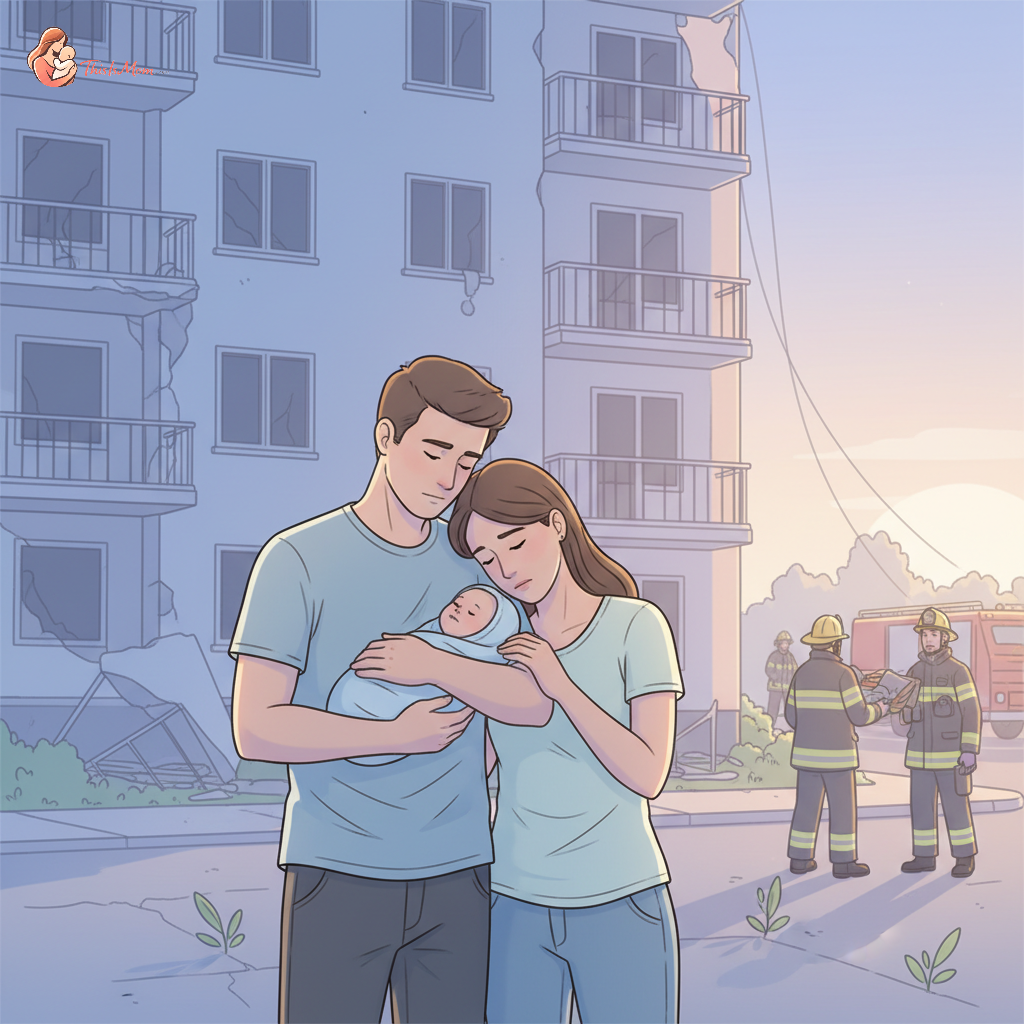
When Your World Goes Up in Smoke: New Parents Apartment Fire Support
It was the smell that hit me first, even before the sirens. An acrid, burning scent seeped under the door of our apartment, waking me from the deepest, bone-tired sleep of new motherhood. Suddenly, 2 a.m. felt like the end of everything. We were new parents, our tiny apartment a sanctuary, and in what felt like an instant, it was no longer safe. The panic that washes over you when you realize your baby, your home, everything you’ve built in these first breathless months, is threatened – it’s a primal terror. This guide is for those moments where the unimaginable happens and you’re left standing on the curb in your pajamas, wondering how on earth you’ll ever rebuild. This is about new parents apartment fire support, because you are not alone.
The First Moments: You and Your Baby are Safe
The smoke detector shrieked. My husband, bless him, was already grabbing Noah from his bassinet. My mind was a total blank, every instinct screaming one thing: get out. We fumbled with the door, the hallway a haze of smoke. The cold night air was a shock, but also a relief.
Once we were a safe distance away, the reality sunk in. The flashing lights, the shouts of firefighters, the sheer chaos. The most important thing, the only thing, was that Noah was in my arms, breathing. We checked each other with a quick, frantic assessment. "Are you okay?" "Did you get the phone?" These were immediate questions.
If your apartment is deemed uninhabitable, which ours quickly was, you'll be directed to emergency services. The fire department will assess the situation and have resources to point you toward. It’s disorienting, but lean into their guidance. They are there to help manage the immediate crisis.
Where Do We Go? Finding Shelter When Everything is Gone
Suddenly, the place you called home is gone. The familiar walls, the comfort of your baby’s nursery, the little routines that made life manageable – all replaced by uncertainty. This is where the kindness of strangers and community support becomes a lifeline.
Organizations like the Red Cross are invaluable in these first hours and days. They provide immediate shelter, comfort, and a safe space for you and your little one. Don't hesitate to reach out to local charities and community groups. Many have programs specifically geared towards helping families displaced by disaster.
Emergency housing assistance can feel overwhelming to navigate, especially when you're running on fumes and pure adrenaline. The process usually involves registration with these aid organizations. They will assess your needs – from a place to sleep tonight to longer-term solutions.
If you're asking, "How do I get emergency housing assistance in [your state, e.g., NC, NYC, CA]?" the process will vary slightly by location. Your best bet is to contact your local FEMA office for federal assistance, and then immediately connect with your local chapter of the American Red Cross and any local government social services departments. They will guide you toward the available emergency shelter options and housing programs in your specific area.
Your Rights: What Happens Now?
The emotional fallout is immense, but there are also practical battles to fight. As a tenant, you have rights, even after a devastating event like an apartment fire. It’s important to know these, especially when dealing with landlords and property management.
Here's the thing: your lease agreement is a contract, and that contract doesn't just vanish because there was a fire. Tenant rights after an apartment fire typically include obligations by the landlord to provide safe housing. If your apartment is uninhabitable, you may be entitled to:
Discover your baby's phase
- Rent Abatement: You shouldn't have to pay rent for a place you can't live in.
- Lease Termination: You likely have the right to break your lease without penalty.
- Information and Cooperation: Landlords are usually required to provide information about the fire's cause (as determined by authorities) and cooperate with your recovery.
Dealing with landlords and property management can be tough. They may be dealing with their own insurance and damage control. Try to approach them calmly, but firmly, armed with knowledge of your rights. Document everything – conversations, dates, and any agreements made.
And what happens if your apartment burns down and you have no insurance? This is a terrifying prospect, and sadly, a reality for many. Without renter's insurance, you’re primarily reliant on the landlord's insurance (which typically covers the building, not your belongings) and public/charitable assistance. This is where understanding available grants and aid becomes critical.
Rebuilding: Piecing Life Back Together
The immediate crisis of shelter subsides, and then the daunting task of rebuilding begins. It’s not just about replacing what was lost; it’s about the emotional weight of every single item.
Beyond insurance, look for grants after a house fire or apartment fire. FEMA (Federal Emergency Management Agency) can offer assistance, and many non-profits and faith-based organizations have funds to help disaster victims. Don't be afraid to ask for help from multiple sources.
Replacing essential baby gear and personal items feels impossible when you have nothing. Cribs, car seats, clothing for you and the baby, diapers, formula – these are absolute necessities. Community drives, baby supply banks, and even direct donations from friends and family can make a huge difference. Consider resources like finding a lactation consultant covered by insurance if breastfeeding support is needed during this stressful time, or looking into options for backup childcare for sick days once you are settled.
And if you want to help a family after a house fire, or any fire, here’s how: The most practical help often comes in the form of gift cards for groceries and essentials, or direct donations of new items (especially baby gear). Offer a meal, a place to stay for a night, or help with childcare. And if you’re the one who needs help after an apartment fire, it is okay to ask. People want to help, but they often don’t know how. Be specific if you can.
The Lingering Smoke: Healing for New Parents
The physical rebuilding is one mountain to climb, but the emotional and psychological toll is another, often steeper, peak. As new parents, you're already navigating a sea of hormones, sleep deprivation, and a complete overhaul of your identity. Add a traumatic event like a fire, and it's a lot. Using techniques like military breathing can help manage the immediate stress and burnout that often accompanies such events.
Recognizing and processing trauma after a fire is crucial. Nightmares, anxiety, jumpiness, feeling hypervigilant – these are all normal responses. Be gentle with yourselves. It’s okay to feel scared, angry, and overwhelmed.
Supporting your baby through disruption and change is paramount. Even if they were too young to fully understand, their world was rocked. Maintain routines as much as possible, offer extra comfort and cuddles, and be patient with their own potential behavioral shifts. They sense your stress. If nap refusal becomes an issue after the upheaval, focus on gentle tips for baby nap refusal without crying.
Finding mental health resources and community for parents is an act of self-preservation. Talking to a therapist who specializes in trauma or perinatal mental health can be incredibly beneficial. Connect with other new parents, online or in person. You’re not alone in your experiences, and sharing can lighten the load. Leaning on your partner also becomes a powerful source of strength. Understanding that parents can be fined for their children's behavior might add to parental stress, but focusing on immediate needs and safety is key. If technology use was impacted, knowing when to stop Baby Einstein or how to transition off screen time can be tackled later.