Rebuild Intimacy After C-Section & Body Image Changes
Learn how to rebuild intimacy after a C-section and navigate body image changes. Practical tips for communicating with your partner, redefining connection, and gentle re-entry into sexual activity.
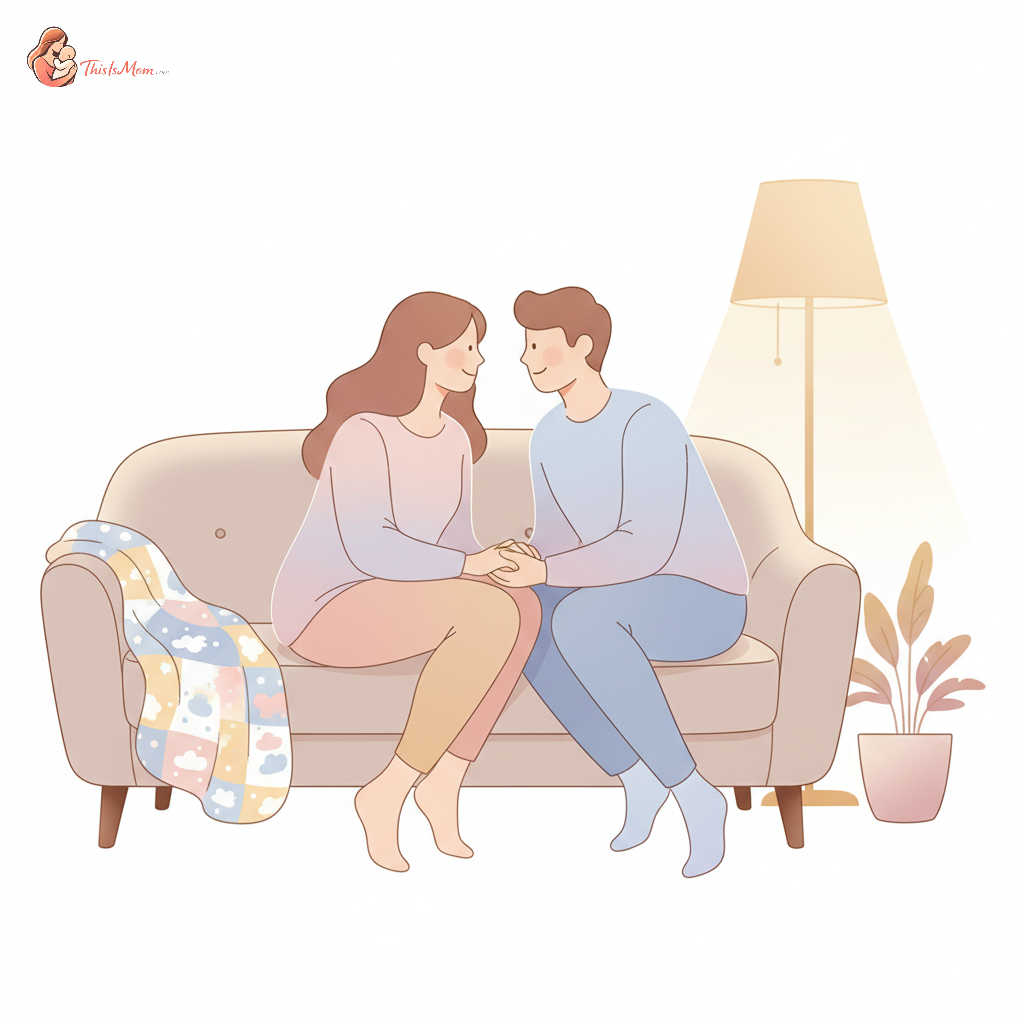
Finding Your Way Back: Rebuilding Intimacy After C-Section
It was 3:15 a.m. and the house was finally quiet. Noah was asleep, a tiny, warm weight on my chest, and I was staring at the ceiling fan, feeling… disconnected. Not just from the world outside, but from myself. My body, which had carried our son for nine months, had also been the site of major surgery. And honestly, I had no idea what to do with it now, let alone how to feel close to my partner again.
This is the real talk we need to have about life after a C-section. The recovery is no joke, and it’s not just about the physical scar. It’s about navigating a whole new landscape of your body, your emotions, and your relationships.
Your Body, Your New Normal: Embracing the Shift
Let’s be real: your body has been through a major event. A C-section isn't just a "quick fix" or a different way to have a baby. It’s surgery. There’s healing, there’s pain, and there’s a recovery timeline that often feels a lot longer than anyone tells you.
For many of us, our desire for sex, for physical intimacy, just… disappears. It’s not a moral failing; it’s your body’s way of saying, "Hey, I’m busy healing here!" Hormones are all over the place, sleep deprivation is a constant companion, and you’re trying to figure out how to keep a tiny human alive. It’s a lot.
And then there’s the scar. That line on your belly, a constant reminder of the birth experience. It can feel alien, or ugly, or just… different. It’s hard to look in the mirror and recognize the body that used to feel so familiar. Your self-perception takes a hit, and that’s okay. It’s completely understandable to feel a disconnect from your own skin. Understanding your c-section shelf belly recovery timelines can help manage expectations.
The Best Medicine? Talking It Out
When I first thought about intimacy after Noah’s birth, my stomach did a flip. How do you even start that conversation? My body felt so foreign, and the idea of sex felt miles away. But here’s the thing: your partner is likely feeling a bit lost too. They’ve also been through a major life change, and they might be unsure how to be there for you, or how to approach intimacy themselves.
Starting the conversation gently is key. It doesn't have to be a big, dramatic sit-down. It can be a quiet moment on the couch, a text message during the day, or a whispered conversation late at night. Something as simple as, "Hey, I've been thinking about us, and how things have changed. I'm not sure where to start, but I want to reconnect. How are you feeling about it all?" can open the door.
Be brave and share your feelings. Tell them about the discomfort, the fear, the self-consciousness about your scar or your changing body. It’s not about complaining; it’s about being vulnerable and letting your partner in. And just as importantly, listen. Really listen to their perspective, their fears, and their needs.
This is where we start to lay the groundwork for reconnecting with your partner after a C-section. It’s not just about what you can do, but about how you feel and what you need.
Beyond the Bedroom: Redefining Connection
Intimacy isn't just about sex. Especially not in the postpartum period. It’s about the everyday moments of connection that make you feel seen and loved. Think about all the ways you can be close without it leading to intercourse.
- Physical Touch: This could be as simple as holding hands, a long hug on the sofa, or cuddling up to read a book. Non-sexual touch is incredibly powerful for reinforcing your bond. A slow massage or a gentle kiss on the forehead, just being physically near each other without expectation.
- Emotional Connection: When was the last time you had a real conversation that wasn’t about diapers or feeding schedules? Make time for that. Share your thoughts, your worries, your small victories. Supporting each other through the challenges of new parenthood is a huge part of your intimacy. If you’re struggling with postpartum mental health, understanding the signs you need a different PCP can be crucial.
- Shared Responsibilities: This might sound unsexy, but when your partner steps up and takes on a fair share of the parenting and household tasks, it makes a world of difference. It frees up mental and physical energy, and it shows you’re a team.
Discover your baby's phase
These are all ways to rebuild intimacy, even when your body is still healing and your energy is low. It’s about nurturing the relationship in all its forms.
Taking the First Steps: Gentle Re-Entry into Sexual Activity
When you and your partner feel ready to explore sexual intimacy again, it’s crucial to approach it with patience and a lot of self-compassion. There’s no magic timeline for sex after C-section body image issues. Listen to your body.
Talk to your doctor. Seriously, bring it up at your postpartum check-up. They can give you personalized advice on healing, pain, and when it’s generally safe to resume intercourse. Most OB/GYNs recommend waiting at least six weeks, but your individual recovery might require more time. If you're experiencing pain or sensitivity, learning about managing c-section scar sensitivity when lifting your toddler daily might offer helpful insights.
When you do start, take it slow. Painful sex after C-section can be a real concern, and it’s important not to push through it.
- Lubrication is your friend: Your body might not produce as much natural lubrication postpartum, especially if you’re breastfeeding. A good quality lubricant can make a huge difference in comfort.
- Experiment with positions: Some positions might be more comfortable than others. Positions where you have more control over depth and speed, or where there’s less pressure on your abdomen, might be a good starting point.
- Communicate during the act: This is not the time to be shy. If something hurts, say so. If you need to stop, stop. Your comfort is paramount.
And don’t underestimate the power of pelvic floor physical therapy. Many women don’t realize the impact childbirth, C-section included, can have on their pelvic floor. A specialized PT can help with pain, scar tissue mobilization, and rebuilding strength and sensation. It’s a game-changer for so many moms.
Your Postpartum Power: Embracing Self-Love
It’s so easy to get caught up in what our bodies are not doing right now, or how they’ve changed. But real talk: our bodies have done something incredible. They grew and birthed a human. That’s not a failure; it’s a superpower.
Challenge those impossible beauty standards you see online and in magazines. They are not real. Your postpartum body is real, and it is beautiful in its own right. Focus on what your body has achieved. Acknowledge the strength it took to get through your C-section and to recover.
Prioritize self-care, even the tiny bits. Taking five minutes to meditate, enjoying a hot shower, or just stepping outside for some fresh air can make a difference. When you feel good about yourself, even a little bit, it radiates outward and can positively impact your intimacy. Rebuilding your confidence is a journey, and it starts with being kind to yourself.
We’re All In This Together
This is a marathon, not a sprint, and it's one you run with your partner. They are your teammate in this wild parenting adventure. How can they support your healing and your body image?
- Be patient: Healing takes time. Desire takes time to return.
- Be empathetic: Understand that you’re both navigating new territory.
- Offer affirmation: Remind each other of your strengths and your love.
- Be a united front: Present yourselves as a team to your child and to the world.