Toddler Separation Anxiety: 5 Tips for Daycare Drop-Offs
Help your toddler overcome separation anxiety during home daycare drop-offs with these practical tips. Learn to build trust and create smoother transitions for everyone.
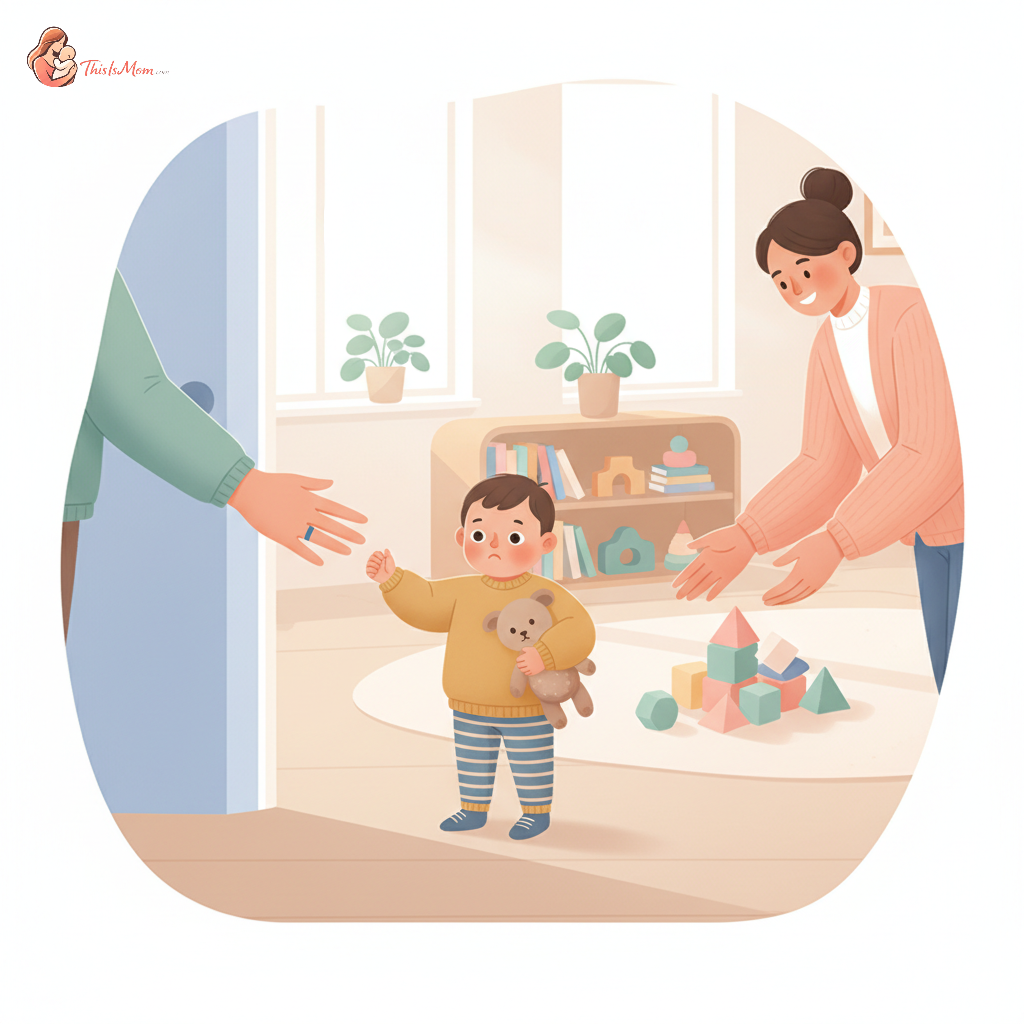
Navigating Toddler Separation Anxiety: Smoother Home Daycare Drop-Offs
With my first child, I meticulously researched every developmental stage. By my fourth, I mostly observed and reacted, armed with the quiet confidence that comes from experience. Looking back, the biggest hurdle with supporting a toddler with separation anxiety during home daycare drop-offs wasn't the child's distress itself, but my own struggle with understanding what "normal" looked like. If I could tell my younger self one thing, it would be this: embrace the mess. It’s a sign of love, and it does, indeed, pass.
Why Home Daycare Feels Different for Tiny Humans
Home daycare environments can be wonderfully intimate and nurturing. However, for a toddler experiencing separation anxiety, this very closeness can sometimes feel overwhelming during goodbyes. Unlike larger centers where a child might quickly get lost in the shuffle, the smaller setting can make your departure feel more pronounced. The familiar home environment and the provider's intimate knowledge of your child can be a double-edged sword. Your child knows this is a place where you are and where you will return, but the temporary absence feels monumental.
Is This Just Toddler Normal? Signs of Separation Anxiety
The truth often overlooked is that separation anxiety is a perfectly normal developmental phase. It typically peaks between 10 months and 2 years, with some lingering effects well into the preschool years, especially during significant transitions. You'll observe it as clinginess, crying, fussing, or even tantrums when you prepare to leave. Sometimes, it manifests as a refusal to engage with the caregiver initially.
Don't confuse this with defiance. This behavior is a sign of attachment and love. Recognizing these signs allows you to shift your approach from frustration to gentle support.
Preparing for the Day: Setting the Stage for Smoother Goodbyes
Long before you utter the word "daycare," you can start building a bridge of confidence for your little one. My approach evolved from trying to "trick" my children into not noticing my departure to creating predictable, reassuring transitions.
The Power of a Predictable Rhythm
Routines are your superpower here. A consistent morning routine – wake up, breakfast, get dressed, a short play session – helps your toddler feel secure about what’s coming next. This predictability extends to the actual drop-off. A brief, consistent goodbye ritual, repeated every single day, helps your child understand the sequence of events. This could be a special hug and kiss, a "goodbye wave" through the window, and a clear statement like, "Mommy will be back after lunch."
Your Daycare Provider: Your Partner in This
Open communication with your home daycare provider is crucial for easing drop-off anxiety. Let them know what you’re observing at home. Are there specific triggers? Does your child have a favorite comfort item? Sharing this information allows them to be prepared and to offer comfort that aligns with your child’s needs and your parenting style. A good provider will already be adept at this, but the more information you share, the better they can support your unique child.
The Moment of Truth: Navigating the Actual Drop-Off
This is often the most intense part. My early attempts involved long, drawn-out goodbyes, hoping to soothe them. By my fourth child, I knew better.
The Swift, Sweet Goodbye
Keeping it quick and consistent is a game-changer for toddlers who struggle with separation at daycare. Lingering only prolongs the distress for everyone. Stick to your pre-planned ritual. A brief, loving farewell, a clear statement of return, and then—leave. This might feel counterintuitive, even cruel, but it actually builds trust. Your child learns that you do come back, and the uncertainty of your extended presence isn't there.
A Well-Timed Distraction
Discover your baby's phase
Once you've completed your ritual, it's often helpful to hand your child over to the caregiver, who can then offer a diverting activity. This isn't about ignoring the child's feelings, but redirecting their attention towards something engaging. "Oh, look, [Provider's Name] has the special sensory bin out today!" or "Let's go see the stuffed animals!" The key is genuine engagement, not a forced smile. This is where the effectiveness of sensory alternatives to screen time for toddlers can really shine.
Taming Your Own Inner Critic
This is perhaps the hardest part: managing your own emotions. Hearing your child cry, especially a two-year-old with separation anxiety, is gut-wrenching. You might feel guilt, doubt, or even a touch of panic. However, your child picks up on your cues. If you're anxious, they will be too. Take a deep breath before you walk in. Remind yourself that you are doing what's best for your child's development and social growth. Trust the process, and trust your provider. This is where a quick military breathing technique can really help.
After the Day is Done: Reconnecting and Reassurance
The reunion is just as important as the goodbye. It’s your opportunity to reinforce that you’re always there for them.
Making Pick-Up a High Point
When you arrive at pick-up, your child will likely be overjoyed to see you. Offer them your full attention for the first few minutes. Forget the phone; forget the to-do list. A big hug, enthusiastic greetings, and a calm moment of connection can make all the difference. Ask your provider for a brief rundown of their day – this shows your child that you’re invested in their daycare experience.
When Anxiety Lingers or Grows
Most separation anxiety phases are time-limited. However, if your toddler's distress seems to be intensifying, lasting for weeks on end, or spilling over into other areas of their life (e.g., not sleeping well, refusing to leave your side at home), it might be time to investigate further. Consistent, intense anxiety that significantly disrupts daily life is worth paying attention to. For parents working from home, the anxiety can be compounded; learn how to manage toddler screen time while WFH which can be a temporary solution for focus.
Seeking a Little Extra Support
If you're concerned, don't hesitate to discuss it with your pediatrician or a child development specialist. They can help differentiate between a typical developmental phase and a more significant anxiety issue that might benefit from targeted strategies or professional guidance. Sometimes, a different daycare arrangement or more time at home can be a temporary solution. Learning to find reputable backup childcare for sick days can also provide flexibility if anxiety is linked to illness.
Broader Ripples of Separation Anxiety
These anxieties aren't usually confined to just the daycare door. Understanding how they manifest elsewhere can offer valuable insight.
Other Transitions, Similar Feelings
You'll likely see separation anxiety pop up during other life changes. A new sibling, a move, or even starting preschool can all trigger similar clinginess and distress. The tools you use for daycare drop-offs – predictability, consistent routines, and gentle reassurance – can serve you well in these other moments too. Helping your toddler adjust to home daycare is just one piece of a larger developmental puzzle. For parents worried about this, understanding 90s parenting style and its focus on independence might offer a different perspective on fostering self-reliance.
Is It Just a Phase, or Something More?
The difference between a typical developmental phase and a more persistent struggle often lies in duration, intensity, and impact. A toddler with normal separation anxiety might cry at drop-off but will eventually settle and engage. A child struggling more deeply might remain significantly distressed for extended periods, refuse to participate in activities, or exhibit other concerning behaviors. Trust your instincts; you know your child best.