Toddler Aggressive After Screen Time? What to Do
Is your toddler aggressive right after screen time? Discover why screens lead to meltdowns and learn practical strategies to calm outbursts and promote healthier habits.
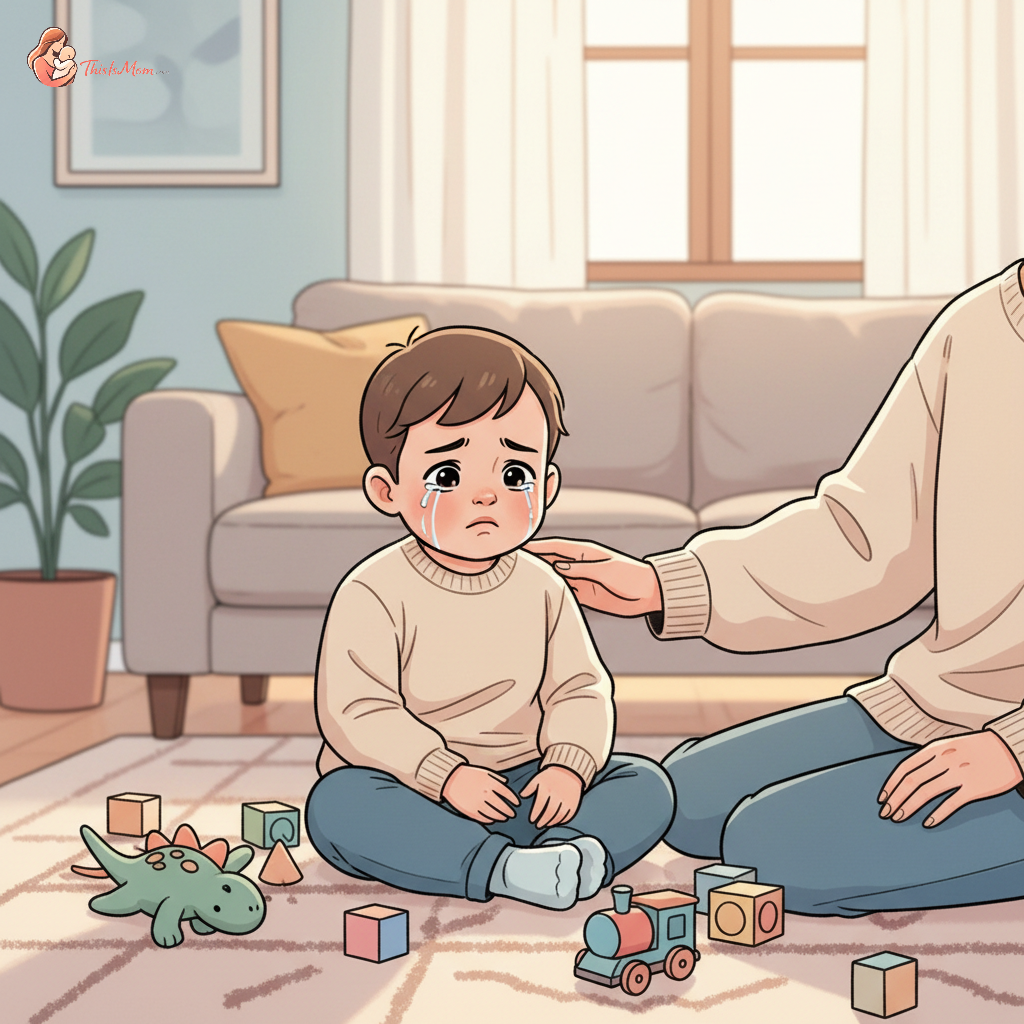
Toddler Gets Aggressive After Screen Time? What to Do
Your toddler is happily absorbed in a cartoon, and then, the moment the screen goes dark, the storm breaks. Kicking, screaming, hitting – it's a familiar, frustrating scene for many parents. If you're wondering what to do when your toddler gets aggressive immediately after screen time, you're not alone. Understanding the underlying reasons and employing gentle strategies can make a significant difference in navigating these challenging transitions.
Why Screens Can Lead to Meltdowns
It's easy to attribute post-screen aggression to simple defiance, but the developing toddler brain offers a more complex explanation. Research suggests a physiological and neurological basis for these reactions.
How Screens Engage Developing Brains
Screens, especially fast-paced or highly stimulating content, can over-activate a toddler's developing brain. The constant stream of rapidly changing images and sounds can be overwhelming for a young nervous system that is still learning to process information and regulate emotions. You might consider exploring 1970s parenting rules today to see how modern approaches differ from past philosophies on managing children's behavior.
The Dopamine Connection
When children engage with screens, their brains release dopamine, a neurotransmitter associated with pleasure and reward. This can create a craving for that consistent dopamine hit. When the screen is removed, dopamine levels drop, which can lead to withdrawal symptoms, much like a mild mood crash. This drop is a significant factor in post-screen time aggression toddlers experience.
Sensory Overload and Emotional Regulation
Toddlers are still developing their ability to regulate emotions and sensory input. Fast-moving screens can deliver a level of sensory stimulation that is difficult for them to process. When this stimulation is abruptly removed, they can experience sensory overload, leading to dysregulation. This means they might struggle to calm down and easily become overwhelmed, resulting in outbursts.
Recognizing the Signs of Post-Screen Reaction
It's important to distinguish between a typical toddler tantrum and a reaction specifically triggered by ending screen time. Understanding the nuances can help you respond more effectively.
Typical Outbursts vs. Screen-Related Reactions
While all toddlers have meltdowns, a pattern can emerge. If aggression consistently appears immediately after screen time ends, or when screens are about to end, it's a strong indicator of a screen-related trigger. This is a common issue that many parents face, and understanding what is a sleep association and how to break them gently might offer insights into managing transitions.
Common Post-Screen Behaviors
Behaviors that can manifest often include:
- Hitting, pushing, or biting siblings or parents.
- Screaming, yelling, or throwing toys.
- Intense defiance and refusal to comply with requests.
- Increased irritability and fussiness.
The 'Immediate' Factor
The key differentiator is the timing. If the aggression erupts within moments of the screen going off, or in anticipation of it, the connection is likely direct. This isn't a case of general screen time behavior problems; it's a specific reaction to the transition.
Preparing for a Smoother Exit
The good news is that proactive strategies can make the transition away from screens much gentler, reducing the likelihood of toddler screen time meltdowns.
The Power of the Warning
Children thrive on predictability. Giving advance notice before screen time ends is crucial. The "5-minute warning" is a common recommendation, but its effectiveness depends on how it's delivered. Visual timers can be incredibly helpful, allowing toddlers to see time elapsing. Some families use sand timers or digital countdowns specifically for this purpose.
Discover your baby's phase
Empowering with Choices
Whenever possible, offer limited, age-appropriate choices related to ending screen time. This gives your toddler a sense of control. Instead of just saying "Screen time is over," you might say, "You have 5 more minutes of this show. Then, do you want to clean up the blocks or put your toys in the basket first?" This involves them in the process.
Connection Before Disconnection
A crucial element of gentle parenting screen time exit strategies is connection. Before you turn off the screen, try to be physically present with your child. Sit with them, offer a hug, or make eye contact. This can help them feel seen and supported, making the shift less jarring. This is a fundamental aspect of helicopter parenting vs introduced adversity discussions, emphasizing mindful engagement over letting screens take over.
De-escalating Aggression with 'Time-In'
When aggression does occur, the immediate instinct might be to punish, but research suggests a different approach is more effective for toddlers.
Avoiding Shame and Punishment
Shaming or punishing a toddler in the heat of the moment is rarely productive. They are dysregulated and not receptive to learning. Punishment can increase fear and anxiety, potentially worsening future behaviors. The guidelines from organizations like the American Academy of Pediatrics (AAP) emphasize positive discipline strategies.
Connecting Before Correcting
The core of a 'time-in' approach is connection. Before you try to "correct" the behavior, focus on validating your child's feelings. Say something like, "I see you're really upset that screen time is over. It's hard to stop when you're having fun." This acknowledges their emotions without condoning aggressive actions.
Offering Calm Alternatives
Once your child begins to calm down, you can gently redirect them toward calming activities. This might involve:
- Taking a few deep breaths together.
- Offering a comforting hug or back rub.
- Engaging in quiet sensory play, like playing with playdough or looking at a soft book.
- Moving to a quiet, dimly lit space.
The goal is to help them self-regulate, not to force them into compliance. This approach aligns with toddler demands tv immediately upon waking how to change strategies, focusing on gentle habit modification.
Cultivating Healthier Screen Habits Long-Term
Beyond managing immediate reactions, establishing consistent, healthy screen time habits is key to preventing future screen time behavior problems.
Following Screen Time Guidelines
The American Academy of Pediatrics (AAP) offers recommendations for screen time use in young children. For children aged 2-5 years, they suggest limiting screen use to 1 hour per day of high-quality programming. For younger children, it's recommended to avoid screen media other than video-chatting. Importantly, the AAP emphasizes prioritizing content that is educational and co-viewing with a parent whenever possible. You can find their full guidance on the AAP website. Consider the motorola baby monitor good housekeeping award or compare baby monitors with app and long battery life if you're looking for tools to help manage screen time or monitor your child's environment.
Prioritizing Real-World Engagement
Screens can be captivating, but they can't replace the rich learning and connection that comes from real-world experiences. Ensure your toddler has ample opportunities for outdoor play, imaginative play, reading books, and interacting with family members. These activities build essential social, emotional, and cognitive skills that screens cannot replicate.
Modeling Healthy Screen Behavior
Your children are always watching. How you use screens sets an example for them. Be mindful of your own screen time, especially when your children are present. Try to put your phone away during meals or playtime, and model balanced use of technology. This is crucial for teaching practical digital safety tips for kids.
Navigating toddler aggression after TV or other screen activities is a journey. By understanding the science, recognizing the signs, employing gentle transition strategies, and focusing on connection, you can help your child develop healthier relationships with technology and stronger emotional regulation skills. Remember, consistency and patience are your greatest allies.
Always consult with your pediatrician for personalized advice and to discuss any concerns you have about your child's behavior and development.