Toddler Only Eats Carbs? 7 Tips for Picky Eaters
Is your toddler suddenly only eating carbs? Discover why this is common, when to worry, and 7 gentle strategies to broaden their diet and reduce mealtime stress.
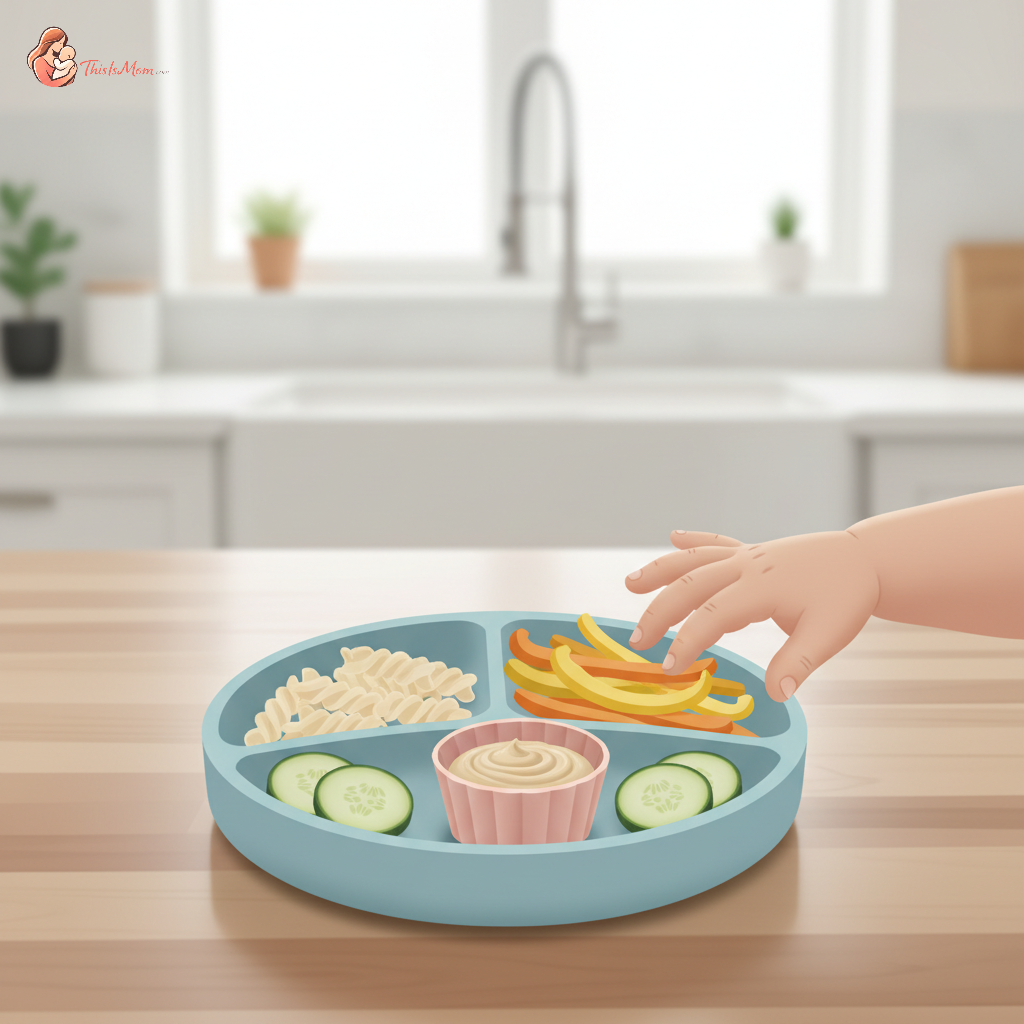
- Involve them in meal prep: Even young toddlers can help wash vegetables, stir ingredients (with supervision), or set the table. When they’re part of the process, they’re more curious about the outcome.
- The 'no-pressure' plate: Offer a variety of foods, including at least one your child typically eats, alongside new or less-favored items, but don't make a fuss if they ignore the new things. Simply having them on the plate can be exposure. They don't have to eat it, but it's there. This is the core of the "division of responsibility" approach, which we’ll touch on later.
- Pairing new with familiar: Serve a small portion of something new next to their favorite carb. For instance, a few roasted sweet potato fries alongside regular tater tots, or a small piece of chicken with their beloved pasta.
- Be a role model: Eat with your children and genuinely enjoy a variety of foods yourself. They absorb more than we realize. Even if they aren't copying you now, they're logging that Mommy and Daddy eat this way.
Creative Ways to Sneak in the Good Stuff
When direct persuasion isn't working, creative tactics can help boost nutrition without turning mealtime into a battlefield. The key is often to make it less obvious or more fun.
- Smoothie power-ups: A handful of spinach or kale can disappear into a fruit smoothie, especially with yogurt or banana. Avocado adds creaminess and healthy fats.
- Sauces and hidden purees: Blend cooked carrots, zucchini, or cauliflower into pasta sauces or cheese sauces. Even a bit of pumpkin puree can enhance baked goods.
- Miniature sizes and fun shapes: Cutting sandwiches into stars, making mini muffins, or using cookie cutters on quesadillas makes food more appealing. Tiny peas or diced carrots can be less intimidating than larger portions.
- The 'dip' factor: Many toddlers are more adventurous when they can conveniently dip. Offer ranch, hummus, or a mild yogurt-based dip for veggies like cucumber sticks or bell pepper strips. Sometimes they'll dip the carb, and sometimes they'll accidentally lick the dip off the veggie.
Discover your baby's phase
Shifting Your Mindset: Less Stress, More Joy
Ultimately, how you approach this phase has a bigger impact than any specific food strategy. Constantly worrying about your toddler only eats bread and fruit – or whatever their current fixation is – creates stress for everyone.
- Focus on the long game: Look at their intake over a week, not just one meal or one day. Children's appetites fluctuate. One day they might eat very little, and the next they'll make up for it. This is normal. If your child is generally healthy and growing, they are likely getting enough. This is also true when considering how many ounces of breast milk before starting solids at 6 months, as their intake needs will vary.
- The Division of Responsibility: Ellyn Satter’s model is a lifesaver. Your job is to decide what food is offered, when, and where. Your child's job is to decide whether to eat it and how much. This removes so much power struggle from the table.
- Know when to seek professional help: If you are truly concerned about your child's growth, development, or nutritional intake, or if the picky eating is accompanied by extreme gagging, vomiting, or anxiety, it's time to involve your pediatrician. They can rule out underlying medical issues and may refer you to a registered dietitian or a feeding therapist if needed.
This turbulent chapter of picky eating, especially the toddler only eats carbs phase, is a test of patience, but it is temporary. By offering variety without pressure, modeling good habits, and employing a little creativity, you can navigate these waters. Remember to give yourself grace; you’re doing a great job.
When Will This Pass?
This picky eating phase, particularly the toddler only eats carbs stage, will eventually pass. Some children grow out of it by age 5 or 6, while others may continue to be selective eaters for longer. There are many strategies to help encourage variety, such as trying ways to get toddler to eat protein when refusing meat and eggs or 7 ways to get toddler to eat vegetables without hiding them. Remember, consistency and patience are key. If you notice significant issues, consider seeking professional advice.
When to Worry About Toddler Refusing Foods
While this carb-heavy phase is common, there are instances where a toddler refusing foods, even previously loved ones, warrants a closer look. If your toddler suddenly refuses foods after illness, it's a different scenario than simply preferring carbs. It's important to address toddler suddenly refusing previously loved foods after illness with specific strategies. If the refusal is severe, impacts growth, or is accompanied by other concerning symptoms, always consult a pediatrician.