Toddler Screen Time Survival Guide: 5 Practical Tips for Parents
Feeling screen time guilt? Discover a balanced parent's guide to using toddler screen time as a survival tool effectively, with AAP advice & practical tips.
Your Toddler Screen Time Survival Tool: A Balanced Parent's Guide
Your toddler has a spectacular meltdown every time a screen is turned off — sound familiar? Many parents find themselves reaching for a tablet or the TV as a toddler screen time survival tool amidst the beautiful chaos of raising little ones. Juggling work, household chores, meal prep, and the endless demands of a toddler can feel like an Olympic sport. In those moments, a few minutes of screen time can feel less like a luxury and more like a necessity for maintaining sanity.
There’s often a layer of guilt attached to this. We read articles, hear from other parents, and feel like we shouldn't be relying on screens. But the reality is, modern parenting often involves integrating technology in ways that can be helpful, especially when used thoughtfully. The key is to navigate this landscape with information and intention, rather than just defaulting to the easiest option. This guide aims to provide an evidence-based approach, drawing on recommendations from organizations like the American Academy of Pediatrics (AAP), to help you create a healthy balance.
When Screen Time Becomes a 'Survival Tool'
Let's be honest: parenting a toddler is demanding. Between the constant supervision required, the emotional ups and downs, and the sheer physical energy it takes, there are days when anything that offers even a brief respite feels like a lifeline. Moms and dads often wear multiple hats simultaneously – caregiver, chef, chauffeur, teacher, entertainer, and mediator, all before breakfast.
In this context, it's understandable why screen time might become a go-to toddler screen time survival tool. It can provide a moment to collect yourself, finish an important email, or prepare a meal without a toddler underfoot. The guilt that can accompany this choice is real, but it's important to acknowledge that seeking support, even in the form of a carefully managed digital babysitter, is a common and often necessary part of modern parenting. Recognizing this need is the first step toward a more balanced approach.
AAP Guidelines and What They Really Mean for Toddlers
The American Academy of Pediatrics (AAP) has offered guidance on media use for children for years, and their recommendations have evolved as technology has. For very young children, their stance has historically been quite strict. However, for toddlers, the conversation isn't always about avoiding screens entirely, but about how they are used.
The AAP's most recent recommendations suggest that for children younger than 18 months, video chat with loved ones is the only media content they recommend. For children 18-24 months, parents can introduce high-quality programming, but it’s crucial to co-view with their child. This means watching together, talking about what you’re seeing, and helping your toddler understand the content.
Between 2-5 years old, the AAP suggests limiting screen use to 1 hour per day of high-quality programming. Again, co-viewing is strongly encouraged. The guidelines emphasize that screen time should not take the place of adequate sleep, physical activity, and other behaviors essential for health. The difference between passive viewing and interactive learning is also significant. Apps and programs that encourage active participation, problem-solving, or creative expression tend to be more beneficial than those that simply involve watching. For a deeper dive into age-appropriate limits, see the pediatrician screen time limits for 2-year-olds guide.
Understanding these age-appropriate limits is key. For instance, a toddler aged 1-3 might benefit from short bursts of educational content viewed with a parent, rather than extended periods of unsupervised cartoon watching. This nuanced approach moves away from a blanket "no screens" rule toward a more practical and beneficial integration.
Crafting Your Own Toddler Screen Time Survival Kit
Creating a personalized toddler screen time survival kit involves being intentional about the type of content you allow and the way it's used. It's not just about the quantity of screen time, but the quality.
Choosing High-Quality Content
When selecting shows, apps, or videos, look for content that is:
- Educational: Does it teach new concepts, words, or skills?
- Interactive: Does it encourage active participation, like singing along, answering questions, or moving?
- Slow-Paced: Rapidly changing scenes and lots of visual stimuli can be overwhelming. Slower pacing is often better for young brains.
- Age-Appropriate: The content should align with your toddler's developmental stage. For ideas on stimulating development through play, consider activities to assess toddler fine motor skills.
- Commercial-Free: Advertisements can be confusing and pushy for young children.
The AAP’s resources on viewing recommendations can be a great starting point for finding curated content. Prioritizing these elements can transform screen time from a passive distraction into a more enriching experience.
Making Screen Time Interactive and Co-viewing
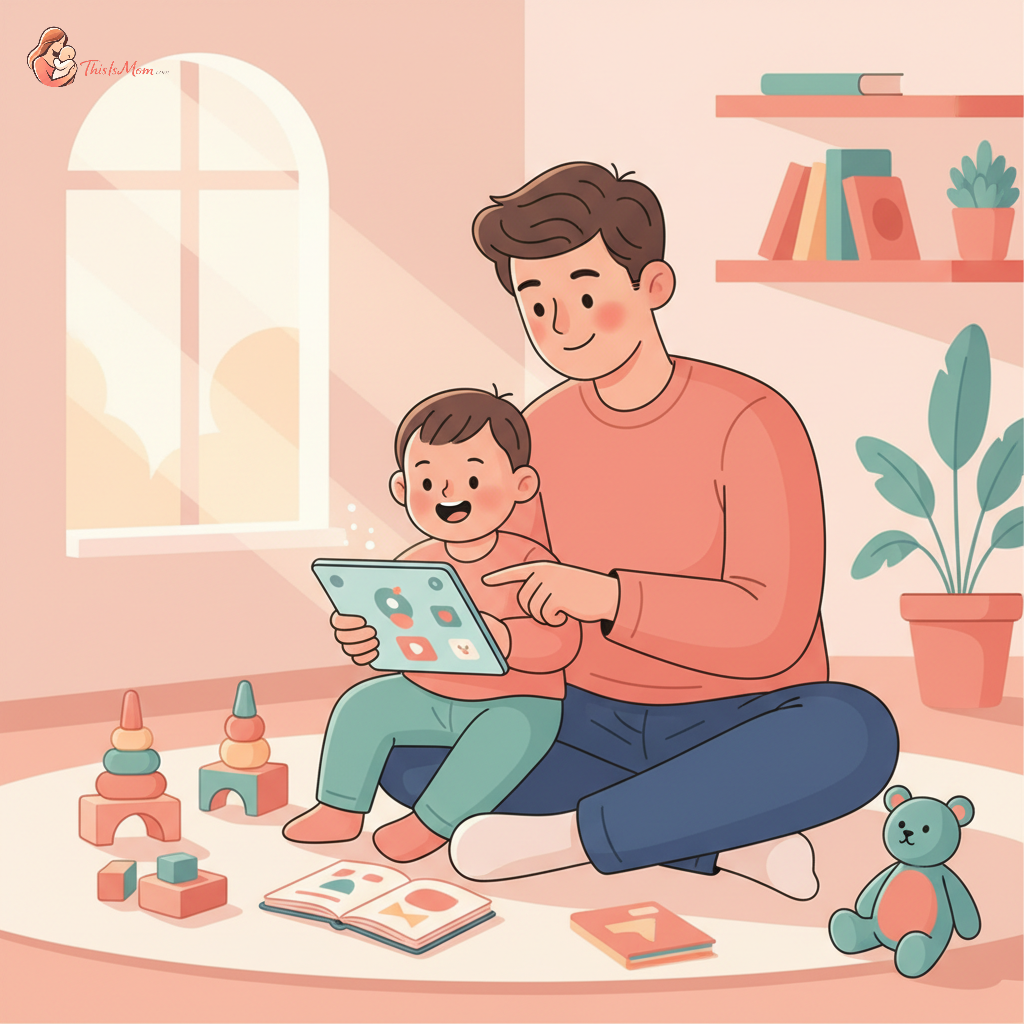
This is where the "survival tool" aspect can be truly managed. When you engage with your toddler during screen time, you’re not just supervising; you’re actively guiding their experience.
- Narrate: Describe what’s happening on the screen. "Look, the bear is picking up the red ball!"
- Ask Questions: "What color is the car?" "Where is the doggy?"
- Connect to Real Life: "Remember when we went to the park like the children in the show?"
- Pause and Play: Stop the program and have your toddler act out a scene or sing a song from it.
Co-viewing turns a potentially isolating activity into a shared one, fostering connection and deeper understanding for your child. This is one of the best toddler screen time survival tool strategies.
Setting Realistic Boundaries and Expectations
Consistency is vital when it comes to managing screen time. For toddlers aged 2-5, the guidelines suggest limiting screen use to 1 hour per day. This doesn't mean every single day has to be exactly 60 minutes, but it gives you a clear benchmark.
- Designated Times: Decide when screen time is appropriate. For example, perhaps not during meals or right before bedtime.
- Screen-Free Zones: Make certain areas of your home, like the dining table or bedrooms, completely screen-free. Consider alternatives for situations like waiting rooms with screen-free alternatives for waiting rooms with toddlers.
- Clear Transitions: Give your toddler warnings before screen time ends. "You have five more minutes, then it's time to clean up." This helps prepare them for the transition and can reduce meltdowns.
Discover your baby's phase
Setting these boundaries helps your child understand expectations and can prevent screen time from becoming an all-consuming part of their day. It's about creating a healthy structure.
How to 'Detox' a Toddler From Screen Time
If you feel your toddler is overly reliant on screens, or if you simply want to reduce their usage, a gradual approach is often most effective. A sudden, complete removal can lead to significant behavioral challenges. This is a key part of your screen time survival guide.
Recognizing Signs of Overuse or Dependency
Signs that your toddler might be using screens too much include:
- Meltdowns or extreme irritability when screens are turned off.
- Difficulty engaging in other activities or playing independently. For help with this, explore tips to encourage independent play for a clingy toddler.
- Trouble sleeping.
- A decreased interest in social interaction or physical play.
- Demanding screens constantly.
If you notice several of these patterns, it may be time to re-evaluate your family's screen habits.
Gradual Reduction Strategies
To reduce screen time toddler demands, start small:
- Slightly Reduce Time: If your toddler currently gets 2 hours, aim for 1 hour and 45 minutes for a few days, then further reduce.
- Introduce 'Screen-Free' Blocks: Create specific times of day where screens are off-limits, gradually lengthening these periods.
- Offer Alternatives Proactively: Before your toddler even asks for a screen, offer an engaging alternative activity.
It’s less about a harsh "detox" and more about a gentle redirection.
Replacing Screen Time with Engaging Alternatives
The most effective way to reduce screen time is to fill that time with other enriching activities. Think about what your toddler enjoys and what supports their development:
- Outdoor Play: Parks, backyard exploration, nature walks.
- Creative Arts: Drawing, painting, play-doh, building with blocks.
- Reading: Snuggle up with books, visit the library.
- Imaginative Play: Dress-up, playing house, acting out scenarios.
- Sensory Bins: Fill a bin with rice, beans, water, or sand for tactile exploration.
- Music and Movement: Dancing to music, singing songs.
Having a variety of engaging, non-screen activities readily available makes it easier to transition away from digital devices.
Balancing Screens with Real-World Play and Connection
Ultimately, the goal as parents is to integrate technology into our lives and our children's lives in a way that enhances, rather than detracts from, their development and our family's well-being. Effective screen time for toddlers best practices always emphasize balance.
Encouraging Active Play and Exploration
The AAP highlights the importance of physical activity for healthy development, including gross motor skills, fine motor skills, and overall physical health. Ensure that screen time doesn't displace opportunities for toddlers to move their bodies. Encourage climbing, running, jumping, and engaging with their physical environment. This active engagement builds a strong foundation for cognitive and emotional growth.
Prioritizing Family Time and Communication
Mealtimes, bedtime routines, and dedicated playtimes are crucial opportunities for connection. Making these periods screen-free zones ensures focused, quality interaction. Talking with your child, listening to their stories (even the fantastical ones!), and simply being present strengthens your bond and fosters their communication skills. When the whole family adopts mindful tech habits, it sets a powerful example.
Mindful Technology Use for the Whole Family
It’s useful to model healthy technology habits yourself. Be aware of your own screen time and how it impacts your interactions. Children learn by observing. Consider implementing family tech plans that outline when and where devices are used, and what kind of content is appropriate for everyone. This creates a shared understanding and a more harmonious household. Viewing technology as a tool, rather than a constant crutch, is the essence of a balanced approach, ensuring your toddler screen time survival tool is just one part of a rich, varied childhood.
Navigating screen time for toddlers can feel like a constant challenge, but armed with evidence-based guidance and practical strategies, you can create a healthy balance that supports your child's development and your family's peace of mind.
When in doubt, or for personalized advice tailored to your child's specific needs and temperament, always check with your pediatrician.