Transition Toddler From Baby Food to Table Food (US Guide)
A comprehensive guide for US parents on how to smoothly transition toddlers from baby food to table food. Learn strategies for picky eaters, common challenges, and setting healthy eating habits.
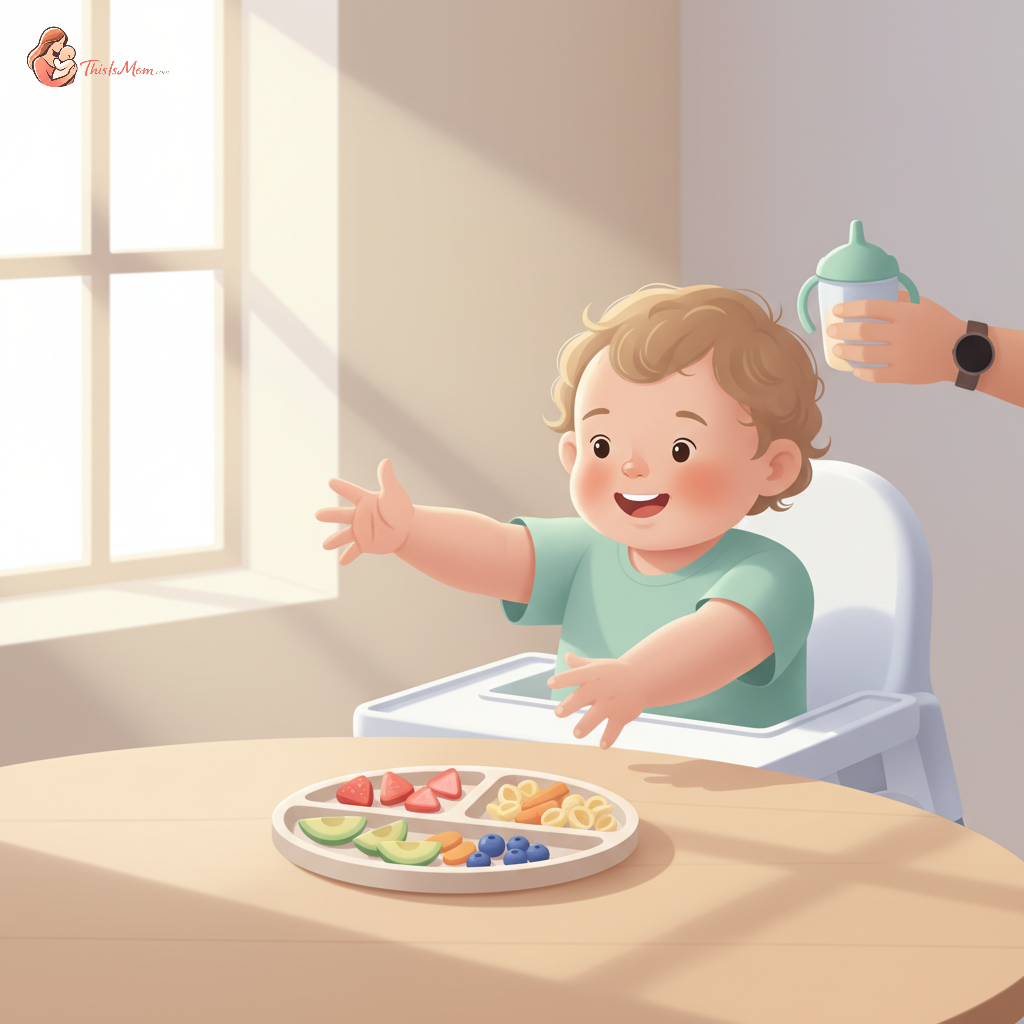
How to Transition Your Toddler from Baby Food to Table Food: A US Parent's Guide
Your toddler is eating mashed bananas and pureed carrots like a champ, but now they're showing more interest in what you're eating. This is a big developmental leap! The question on many parents' minds is: how to transition your toddler from baby food to table food in a way that's smooth, healthy, and sets them up for a lifetime of good eating habits. It’s a common milestone, but one that can also bring new challenges.
Why This Food Shift Matters (and Why It's Tricky!)
This transition is more than just changing what’s on the plate; it’s about supporting your toddler’s growing independence and developing oral motor skills. Around their first birthday, most babies are ready to move beyond purees. They’ve been practicing chewing with softer foods and are developing the ability to handle more varied textures.
Developmental Milestones and Feeding Skills
The American Academy of Pediatrics (AAP) notes that by 12 months, toddlers should be able to feed themselves finger foods and begin to use a spoon. This isn't about perfect technique; it’s about exploration and practice. Their ability to chew and swallow is also maturing, allowing them to manage lumpier textures.
The Picky Eater Phase: What's Normal?
It’s important to remember that toddlerhood often coincides with the onset of picky eating. The AAP states that this is a typical developmental phase. As toddlers gain independence, they may become more selective about what they eat. Expecting them to embrace every new food immediately is unrealistic.
Setting the Stage for Healthy Eating Habits
This transition period is crucial for establishing healthy eating habits. By offering a variety of nutrient-dense table foods, you’re providing the building blocks for their growth and development. This is also when they begin to learn about different flavors, textures, and the social aspect of eating.
The Gentle Transition: Step-by-Step Strategies for Success
Moving from smooth purees to textured solids doesn't have to be an all-or-nothing event. A gradual approach is key to helping your toddler accept new foods without overwhelming them.
Start with Familiar Flavors and Textures
Begin by offering table food versions of flavors your toddler already enjoys. If they like sweet potatoes, try offering them mashed or roasted in small, soft pieces. This builds on their existing positive associations with food.
Gradually Introduce New Shapes and Sizes
Once your toddler is comfortable with softer, familiar foods, you can start introducing new shapes and sizes. Think small, bite-sized pieces that are easy to grasp and manage. For example, instead of pureed carrots, offer finely diced, steamed carrots. Cut cooked pasta into smaller pieces or offer soft, deconstructed tacos.
The 'Deconstructed Meal' Approach
This is a fantastic strategy for introducing solid foods to toddlers. A deconstructed meal means presenting the components of a meal separately on the plate. For instance, instead of a mixed pasta dish, offer cooked pasta, small pieces of chicken or beans, and a side of steamed broccoli florets. This allows your toddler to explore each food item individually and choose what they want to eat. It’s also a great way to manage potential picky eating, as they can feel more in control.
Making Mealtime Fun (and Less Stressful) for Everyone
Mealtime shouldn't be a battleground. Making it a positive and enjoyable experience can significantly impact your toddler's willingness to try new foods.
Involving Your Toddler in Food Prep
Discover your baby's phase
Even very young toddlers can "help" in the kitchen. Let them wash vegetables, stir ingredients (with supervision), or tear lettuce leaves. This engagement can spark their interest in the food they helped prepare.
The Power of Family Meals
Eating together as a family is one of the best ways to encourage healthy toddler eating habits. When your toddler sees you and other family members enjoying a variety of foods, they are more likely to try them too. Family meals provide a relaxed environment for learning social cues around eating. The CDC highlights the importance of family meals for child development. Learn more about managing toddler tantrums during snack time.
Creative Presentation Ideas for Table Foods
Presentation can make a big difference! Use cookie cutters to make fun shapes out of sandwiches or soft fruits. Arrange food into simple faces or patterns on the plate. Even small details like using colorful silicone muffin liners to separate different foods can make mealtime more appealing. Making toddler meals fun is often about simple, visual changes. Consider screen time alternatives for toddlers during work calls if mealtime battles arise from distractions.
Addressing Common Toddler Feeding Challenges
It’s rare for a toddler to embrace every new food without a fuss. Be prepared for some common challenges and have strategies in place.
Dealing with Food Refusal and Throwing
If your toddler refuses a food or throws it, try not to react strongly. This can sometimes reinforce the behavior. The AAP suggests offering the food again at a later time without pressure. Keep offering a variety of healthy options, and remember that it can take many exposures for a child to accept a new food.
When Your Toddler Prefers Liquids
Some toddlers go through phases of preferring milk or other liquids over solid foods. While it’s important they get their nutrients, ensure they aren't filling up on too much milk before meals. Guidelines generally recommend limiting milk intake to around 16-24 ounces per day for toddlers to ensure they have room for nutrient-dense solids. If your baby is experiencing short naps, this could affect their appetite; consider strategies for when baby naps only 30 minutes.
Avoiding Power Struggles at the Table
Mealtimes can easily devolve into power struggles. The key is to remain calm and consistent. Offer a balanced meal, and let your toddler decide how much they will eat. Don't force-feed, bribe, or cajole. Focus on providing healthy options and creating a pleasant atmosphere. If screen time is a factor, learn how to introduce screen-free calm down corners for toddlers.
When to Talk to Your Pediatrician or a Feeding Specialist
While picky eating is normal, there are times when you may need to seek professional guidance.
Signs of Feeding Difficulties Beyond Picky Eating
If your toddler exhibits extreme pickiness (refusing entire food groups), has significant gagging or choking episodes, or shows a strong aversion to certain textures, it might be more than typical picky eating. When in doubt, discuss it with your pediatrician. For more general parenting knowledge, consider free prenatal parenting classes online.
Nutritional Concerns and Growth Monitoring
Your pediatrician monitors your toddler’s growth and can assess if they are meeting their nutritional needs. If you’re concerned about potential deficiencies or lack of weight gain, they can offer guidance.
Understanding Common US Feeding Guidelines
The AAP provides extensive guidelines on feeding and nutrition for infants and toddlers. These resources offer evidence-based advice on everything from introducing solids to managing common feeding issues. They emphasize a balanced approach that respects a child's appetite and developmental stage. Your pediatrician is your best resource for understanding how these guidelines apply to your unique child.
Transitioning your toddler from baby food to table food is a journey filled with learning and discovery for both of you. By approaching it with patience, consistency, and a focus on positive experiences, you can help your child develop a healthy and happy relationship with food. Remember to always check with your pediatrician for advice specific to your child's needs and development.