Postpartum Support Questions for OB Visits
Prepare for your fourth trimester by knowing what to ask your OB-GYN about physical recovery, mental health, feeding, and practical support during postpartum visits.
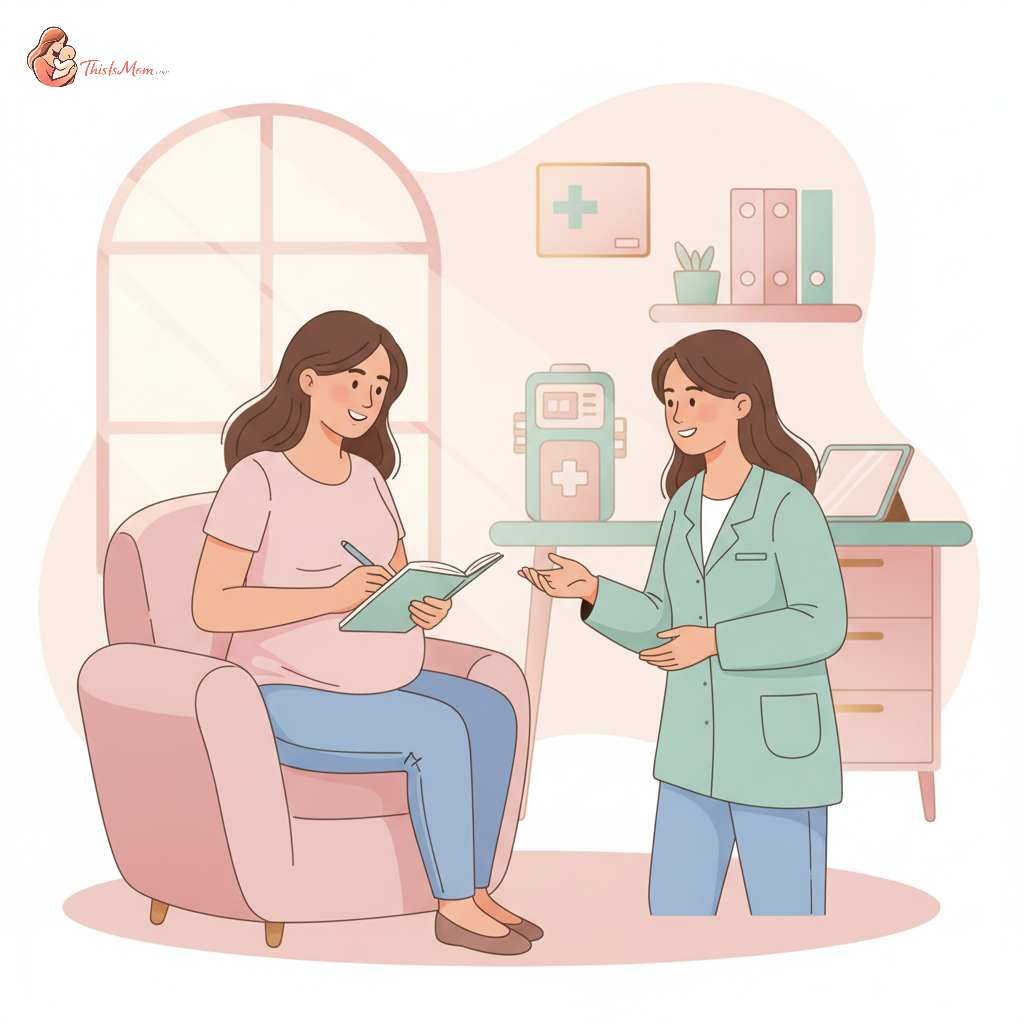
Preparing for the Fourth Trimester: Essential Postpartum Support Questions for Your OB
It's completely normal to wonder what happens after the baby arrives, especially when so much energy is focused on pregnancy and birth. The truth is, your postpartum care planning is just as crucial as your birth plan. Starting these conversations early with your OB-GYN can make a world of difference. Thinking about what questions to ask about postpartum support options during OB visits now will empower you to navigate the fourth trimester with more confidence and less anxiety.
This period, often called the "fourth trimester," is a time of profound adjustment for your entire family. It’s more than just healing from birth; it’s about establishing new routines, managing sleep deprivation, and bonding with your baby. By proactively gathering information about postpartum care, you’re setting yourself up for a smoother transition. This guide offers key questions to ask your OB-GYN, ensuring you feel prepared for your physical and emotional recovery.
Your Postpartum Journey Begins Before Birth Day
So much of our focus during pregnancy is on the moment of birth. We plan, we prepare, we envision that incredible day. But what about the days, weeks, and months that follow? Shifting your perspective to include comprehensive postpartum care planning before you give birth is an act of self-advocacy.
The importance of proactive postpartum care cannot be overstated. Your body has just performed a miracle, and it needs time, rest, and expert guidance to heal. By understanding what to expect and what support is available, you are setting yourself up for a smoother, more supported fourth trimester. This isn't an optional add-on; it's an essential part of your motherhood journey.
Digging into Your Physical Recovery & Care
Your physical recovery after birth is significant. It’s vital to have open conversations with your OB-GYN about what to anticipate and how to best care for yourself. Don't shy away from these details; your body is a capable, resilient vessel.
Postpartum Check-ups: Timing and What to Expect
Your OB-GYN will typically schedule a postpartum check-up, often around six weeks after birth. However, it’s wise to ask about this timing. "When can I expect my first postpartum visit, and what should I prepare for during that appointment?" is a great starting point. This visit is your opportunity to discuss any lingering discomforts, review your healing process, and get the all-clear for resuming various activities.
Healing from Vaginal Birth: Perineal Care & Discomfort
If you had a vaginal birth, particularly if there was tearing or an episiotomy, perineal care is essential. Ask your provider for specific recommendations on cleaning, soothing discomfort, and when it’s generally safe to resume sexual activity. "What are the best ways to care for my perineum after birth, and what signs of infection should I watch for?"
C-Section Recovery: Incision Care, Pain Management, Activity Limits
For those who have had a C-section, recovery involves different considerations. Ask about proper incision care, effective pain management strategies, and crucially, what activity levels are recommended in the early weeks. "What are the guidelines for lifting and physical activity after a C-section, and what signs of complication should I be aware of regarding my incision?" managing c-section scar sensitivity when lifting toddler daily
Lochia and Bleeding: What's Normal, What's Not
Postpartum bleeding, known as lochia, is normal and can last for several weeks. However, understanding what’s typical and what indicates a problem is key. "Can you describe what normal lochia looks like and how long it typically lasts? What are the signs of postpartum hemorrhage or infection I should be concerned about?"
Pelvic Floor Health: When to Consider Physical Therapy
Your pelvic floor muscles have been through a lot. Issues like incontinence or pain can arise. Don't hesitate to ask about the possibility of pelvic floor therapy. "When should I consider seeing a pelvic floor physical therapist, and are there specific exercises I can do at home to support my pelvic health?" This is a crucial part of your postpartum OB-GYN checklist that often gets overlooked. gentle exercises for spd pelvic pain in third trimester
Navigating Emotional Well-being: Mental Health Support Questions
The postpartum period can be an emotional rollercoaster. It’s essential to understand the spectrum of perinatal mood and anxiety disorders (PMADs) and what support is available through your OB-GYN.
Understanding the 'Baby Blues' vs. Postpartum Depression/Anxiety
Many new mothers experience the "baby blues" – a temporary period of tearfulness and mood swings. However, it's important to distinguish this from more persistent conditions like postpartum depression or anxiety. Ask your provider to help you understand the differences. "How can I recognize the signs of postpartum depression or anxiety, and what is the typical timeline for the baby blues?" signs you need a different pcp for postpartum mental health
Screening for Mental Health Concerns: What to Expect from Your OB
Most OB-GYNs will screen for mental health concerns during your postpartum visits. Knowing what to expect can make these conversations easier. "Will I be screened for postpartum depression or anxiety at my postpartum check-up? What does that screening involve?" This is a vital aspect of mental health discussions during OB visits.
Available Resources: Therapists, Support Groups, Medication Options
Your OB-GYN can be a gateway to further support. Inquire about referrals for mental health professionals, local support groups, and your options regarding medication if needed. "What are the best resources for postpartum mental health support in our area? Can you discuss medication options if I experience significant symptoms?"
Partners and Support Systems: How They Can Help
Don't forget the crucial role of your partner and your support network. Ask your OB-GYN how they can best support you and how your partner can be involved in your care and recovery. "How can my partner best support my physical and emotional recovery postpartum?"
Breastfeeding & Infant Feeding Support: What Your OB Can Offer
Discover your baby's phase
While your OB-GYN isn't a lactation consultant, they can be a valuable resource for connecting you with feeding support and addressing common issues.
Lactation Consultant Referrals: In-Hospital and After Discharge
Many hospitals have lactation consultants available. Ask about this availability and how to get support once you're home. "What are the options for lactation support in the hospital, and how can I access a lactation consultant after I'm discharged?" how to build a freezer stash without oversupply
Common Feeding Challenges: Mastitis, Clogged Ducts, Supply Issues
It's common to encounter challenges with breastfeeding or chestfeeding. Your OB can offer initial advice or refer you to specialists. "What are the signs of mastitis or clogged ducts, and when should I seek medical attention for feeding issues?" breastfeeding anxiety about low supply when baby gaining weight
Formula Feeding Questions: Resources and Support
If you choose to formula feed, or supplement, ask about reliable resources for guidance. "Are there any specific resources or recommendations you have for families choosing to formula feed?" best formula pitcher for clump free dr browns formula
Medications and Breastfeeding Compatibility
If you require medication postpartum, it's essential to discuss its compatibility with breastfeeding. "What should I do if I need to take medication postpartum, and how do I ensure it's safe while breastfeeding?"
Logistics & Practical Support: Beyond the Exam Room
Beyond your immediate physical and emotional recovery, several practical matters require discussion with your OB-GYN.
Contraception Options for Postpartum
Re-establishing contraception after birth is an important topic. Discuss your options and the best timing for you. "What are the different postpartum contraception options, and when is it safe to start using them?"
Returning to Work: Doctor's Notes and Physical Readiness
If you plan to return to work, you may need a doctor's note or clearance. Ask your OB about the typical timeline and what to expect regarding physical readiness. "What is the standard timeframe for a postpartum doctor’s release to return to work, and what factors determine my physical readiness?"
Remote Consultations and Telehealth Options
In today's world, telehealth can be incredibly convenient. Ask if your OB's office offers remote consultations for non-urgent follow-up questions. "Does your practice offer telehealth appointments for postpartum check-ins or follow-up questions?"
Emergency Contacts and After-Hours Care
Know who to call if you have concerns outside of regular office hours. "What is the protocol for urgent postpartum concerns that arise after hours or on weekends?"
Making the Most of Your OB Visits: Tips for Expecting Parents
To ensure you get the most out of your appointments, a little preparation goes a long way.
Bringing a List of Questions (and a Notebook!)
Don't rely on memory! Write down all your postpartum care planning questions before your appointment. Bring a notebook to jot down your provider's answers. This ensures you cover everything important to you.
Don't Be Afraid to Ask 'Dumb' Questions
There is no such thing as a "dumb" question when it comes to your health and your baby's well-being. Your OB-GYN is there to provide information and reassurance. If something is unclear, ask for clarification.
Advocating for Your Postpartum Health
You are the expert on your own body and your experience. Be vocal about your needs and concerns. If something feels off, trust your intuition and express it clearly to your provider. This is your journey, and advocating for yourself is paramount.
Remember: You're Not Alone in This Journey
Every parent navigates the postpartum period differently. It's a time of immense change, and it's okay to not have all the answers. Your OB-GYN, your care team, and your support system are there to help you through it.