Baby Only Falls Asleep With Boob in Mouth? Solutions
Is your baby only falling asleep with your breast in their mouth, then unlatching? Learn gentle strategies to shift this sleep association and improve sleep for everyone.
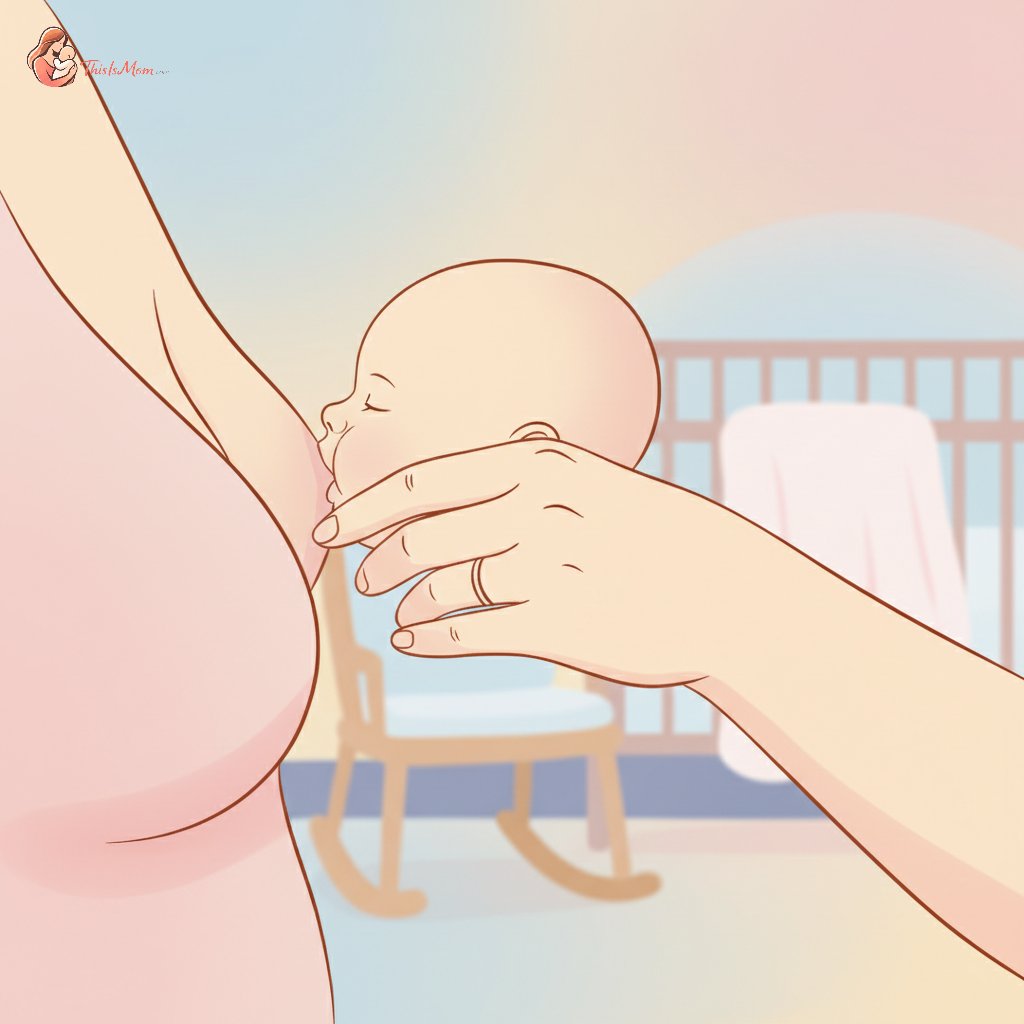
My Baby Only Falls Asleep With My Boob in Mouth. Now What?
It was 3:47 a.m. again. The familiar weight of Noah, my 9-month-old, was nestled against me, his little body twitching with sleep. His mouth, however, was firmly latched onto my breast, a position he'd been in for what felt like hours. And then, as always, just as I started to relax, feeling the subtle shift in his breathing, he'd unlatch. His tiny hand would reach for my nipple, not for milk, but to find that familiar, comforting grip. My own body ached with a bone-deep tiredness, and I realized, with a sigh that was more exhale than sound, that this was the reality for so many parents. My baby only falls asleep with my boob in mouth, and I had no idea how to change it.
It's Not Just You: Why the Breast-Pacifier is Common
Let's be honest, the image of a baby peacefully drifting off to sleep while nursing is beautiful. It’s also, for many of us, the only way it happens. You’re not alone if your baby uses your breast as a pacifier, unlatching only to find that sweet spot again. It’s incredibly normal. From the moment they’re born, babies are hardwired to seek comfort from their caregivers. Nursing is more than just food; it's warmth, security, and connection.
The truth is, this comfort nursing to sleep is a beautiful biological drive. For newborns, it’s essential. They need to nurse frequently, and associating nursing with sleep helps them get the calories they need. But as they grow, the lines between hunger and comfort can blur, especially when it comes to sleep.
Hunger vs. Habit: Decoding the Snuggle
So, how do you know if your baby is truly hungry or just seeking that familiar comfort? In the early days, it’s usually hunger due to their tiny tummies. But around 4-6 months, many babies can go longer stretches between night feeds. If your baby wakes frequently and immediately latches for a few minutes before unlatching and fussing, it might be less about hunger and more about the sleep association. Learn gentle, evidence-informed strategies to drop the last night feeding for your 9-month-old.
This is where the exhaustion cycle really kicks in. You feed, they drift off, you carefully try to unlatch, and then the cycle repeats every hour or two. You're constantly in a state of near-sleep, then jolted awake. It’s draining, physically and mentally.
Gentle Nudges: Shifting the Sleep Association
Okay, so you’re ready for a change. The good news? You don't have to resort to methods that feel harsh or leave you feeling guilty. We're aiming for gentle shifts, subtle transitions that respect your baby's need for security. Breaking the nurse-to-sleep association can be done with patience and kindness. This article offers 7 gentle ways to shift this pattern and encourage independent sleep.
The 'Unlatch and Hold' Technique
This is a favorite for a reason. When you feel your baby starting to drift off, but before they’re completely asleep, gently unlatch them. Immediately offer a different kind of comfort: a gentle pat on the back, a soft sway, or just holding them close. The goal is to offer an alternative soothing method as they transition to sleep.
It might take a few tries. Your baby might fuss a bit. The key is to stay calm and offer reassurance. You’re not taking something away; you’re offering something new.
Pacifier Power (If It's Right for You)
For some families, a pacifier can be a game-changer. If your baby is already using your breast as a pacifier, introducing one might help ease the transition. Look for one that your baby can easily accept and that feels comfortable.
Remember, it’s about finding what works for your family. Not all babies take to pacifiers, and that’s okay. The goal is to provide a soothing option that doesn't involve nursing every single time.
Dream Feeding vs. Active Feeding
This is a small but important distinction. Dream feeding is when you pick up a sleeping baby and offer them a feed without fully waking them. This can be helpful for hunger, but it can also reinforce the sleep association. Learn how to build a breast milk freezer stash without triggering oversupply.
Active feeding is when your baby is awake and alert for their feed, not just half-asleep. This helps ensure they are getting their nutritional needs met when they are awake, so night feeds are more likely to be for genuine hunger.
Crafting a Calm Haven for Sleep
Beyond the feeding association, creating a truly soothing bedtime routine is key. This helps signal to your baby that it’s time to wind down, regardless of how they fall asleep.
Setting the Sleep Scene
Discover your baby's phase
Think cozy. Dim lights are your best friend. A white noise machine can create a consistent, calming soundscape that mimics the womb and drowns out household noises. Making the sleep environment predictable and peaceful is a powerful tool.
The Comfort of Touch
Rocking, swaying, gentle patting — these are all incredible ways to soothe a baby. As you transition away from nursing to sleep, you can increase the amount of time you spend rocking or holding your baby after a feed, helping them fall asleep in your arms without the breast.
Quiet Time Rituals
A warm bath, a soft lullaby, reading a short, quiet story – these simple activities can become cherished parts of your bedtime routine. They create a sense of ritual and calm, preparing your baby for sleep.
Waking Up to Night Wakings: What to Do
Night wakings are still going to happen. The goal here is to respond in a way that supports healthy sleep habits without resorting to stress.
Is It Hunger or Habit?
This is where your detective skills come in. Observe your baby. Are they genuinely hungry, rooting around and feeding well? Or are they latched for a minute, unlatching, and fussy, perhaps wanting the comfort to fall back asleep?
If you suspect it's habit, try offering a calm response. A gentle pat, a quiet shush, or a short period of rocking might be enough to settle them back to sleep without a full feed.
The Power of Partnership
If you have a partner, now is the time to lean on them. Can they handle a few night wakings? Sometimes, a baby will settle much faster for another caregiver, especially if they know the breast isn't immediately available. Free at-home nurse visits can also offer support for new parents.
Alternative Comforts
When your baby wakes, try a few other soothing methods before offering the breast. Can you offer a sip of water (if age-appropriate and cleared by your pediatrician)? A quiet song? A gentle back rub?
When to Trust Your Instincts and Ask for Help
There are times when you might feel unsure, and that’s completely okay. Your instincts as a parent are incredibly powerful.
Listening to Your Gut
If your baby seems genuinely distressed, is not gaining weight well, or if you suspect something more than a simple sleep association, don't hesitate to seek professional advice. Sometimes, there are underlying medical reasons for frequent waking or feeding issues. Breastfeeding anxiety can arise when you worry about low supply, even if your baby is gaining well.
Expert Voices
Pediatricians and lactation consultants are amazing resources. They can help you assess your baby’s growth, rule out any medical issues, and provide tailored strategies for your specific situation. Don't feel like you have to navigate this alone.
Your Well-being Matters
This journey is demanding. Prioritizing your own mental and physical health is not selfish; it's essential for being the best parent you can be. If you're feeling overwhelmed, burnt out, or struggling with postpartum mood issues, please reach out for support. Signs you might need a different primary care provider for postpartum mental health include feeling dismissed or unheard.