Baby Wakes Screaming Every Hour at 9 Months (Not Hungry)
Is your 9-month-old waking hourly and screaming, but not hungry? Discover common reasons like sleep regressions, developmental leaps, teething, and sleep associations. Find gentle strategies to help your baby sleep better.
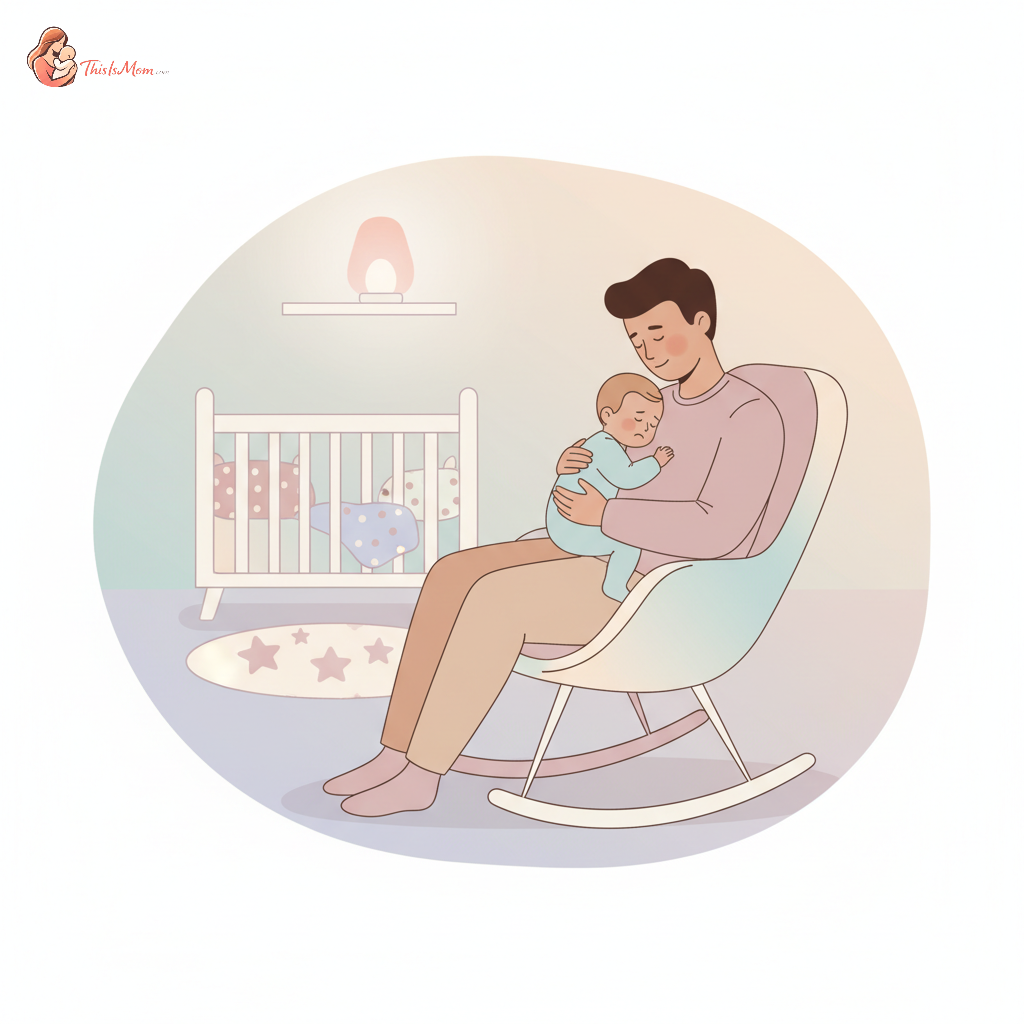
Baby Wakes Screaming Every Hour at 9 Months (Not Hungry)
If your 9-month-old, who once slept fairly well, is now waking up screaming every hour, and hunger isn't the cause, you're not alone. This is a common and understandably distressing experience for parents. You're exhausted, and your baby is distressed. Understanding why your baby wakes screaming every hour at 9 months, despite not being hungry, is the first step toward finding solutions.
It's a common misconception that all night wakings are due to hunger, especially for babies around this age. While babies do need calories overnight, particularly if they aren't consuming enough during the day, hourly wakings at 9 months often point to other causes. This age is a 'hot spot' for significant sleep changes, and understanding the underlying reasons can help you navigate this challenging phase.
The 9-Month Sleep Regression: A Leap in Development
At nine months, babies are experiencing a major sleep regression. This isn't just a random phase; it's directly linked to their incredible developmental leaps. Their brains are firing on all cylinders, leading to changes in sleep patterns.
An Explosion of New Skills
Physically, your baby is likely mastering new skills. Crawling, pulling themselves up to stand, and even cruising along furniture are common milestones around this time. These new motor skills are exciting for babies, and they often practice them even in their sleep. This can lead to more movement and restlessness during sleep cycles, resulting in wakings.
Cognitive Milestones and Separation Anxiety
Cognitively, your 9-month-old is developing a more sophisticated understanding of the world. They are likely developing a stronger sense of object permanence – the understanding that things (and people!) still exist even when they can't see them. This can fuel separation anxiety, making it harder for them to settle when you're not there. Research suggests that as babies become more aware of their surroundings and their caregivers' absence, they may feel more insecure at night.
How Leaps Impact Sleep Cycles
Sleep occurs in cycles, moving between lighter and deeper stages. Babies, especially at this age, are still learning to navigate these transitions smoothly. When their brains are buzzing with new learning, and they're experiencing anxiety or physical discomfort, these transitions can become rocky. They might wake fully instead of seamlessly moving from one cycle to the next, leading to those frequent, distressed wakings.
Beyond Development: Other Common Culprits for Hourly Wakings
While developmental leaps are a primary driver, several other factors can contribute to a 9-month-old's hourly night waking pattern when hunger isn't the primary issue.
Teething Troubles
Teething is a common culprit for disrupted sleep. While some babies teethe with minimal fuss, others experience significant discomfort. The pressure and pain from emerging teeth can be intense, especially at night when there are fewer distractions. Signs can include increased fussiness, drooling, chewing on everything, and red, swollen gums.
Sleep Associations
Babies can develop sleep associations, which are things they rely on to fall asleep. If your baby always falls asleep being rocked, fed, or having a parent present, they may need that same “prop” to fall back asleep when they naturally wake between sleep cycles. These are often referred to as sleep associations. When they wake up and their prop is no longer present (e.g., they're no longer being rocked), they may cry out for it.
Daytime Routines Matter
A baby's daytime schedule plays a crucial role in their nighttime sleep.
- Naps: Inadequate or inconsistent naps can lead to overtiredness, paradoxically making it harder for babies to stay asleep at night. Conversely, a baby who naps too much might not be tired enough for nighttime sleep. Consider toddler resisting nap but still tired? what to do if you suspect over-tiredness.
- Food: Ensure your baby is getting adequate nutrition during the day. If they're not eating enough solids or milk, hunger might still be a contributing factor, even if it doesn't seem like the primary one. If your baby is transitioning from purees, you might find 10-month-old won't eat purees? what to feed them next helpful.
- Stimulation: A day filled with age-appropriate activity and exploration is great, but too much overstimulation close to bedtime can make settling difficult. You might find it useful to introduce screen-free calm down corners for toddlers.
Minor Discomforts
Sometimes, the cause is simpler.
- Room Temperature: A room that's too hot or too cold can disrupt sleep. The American Academy of Pediatrics (AAP) suggests keeping the room temperature comfortable, typically between 68-72°F (20-22.2°C).
- Diaper Wetness: A wet or soiled diaper can be uncomfortable.
- Mild Illness: A developing cold, ear discomfort, or a minor virus can make sleep miserable. The CDC notes that fever or signs of illness warrant attention. If you suspect your baby is unwell, look for other symptoms like fussiness when eating, lethargy, or a cough.
Discover your baby's phase
When in doubt about illness, it's always best to consult with a healthcare professional.
Gentle Strategies to Support Your 9-Month-Old (and Yourself)
Navigating hourly wakings can feel overwhelming, but there are evidence-based strategies that can help foster better sleep without resorting to harsh methods.
Reassessing the Sleep Environment
The AAP and CDC both emphasize the importance of a safe sleep environment. Ensure your baby's crib is a sanctuary for sleep:
- Dark: Use blackout curtains to create a dark room, which helps regulate melatonin production.
- Cool: Maintain a comfortable room temperature.
- Quiet: While some white noise can be helpful, ensure the environment is generally conducive to rest.
Strengthening Independent Sleep Skills
The goal isn't to eliminate wakings entirely, as some are normal, but to help your baby learn to fall back asleep independently. This can be done through gradual methods:
- Consistent Bedtime Routine: A predictable sequence of calming activities (bath, book, song) signals to your baby that it's time to wind down.
- Put Down Drowsy but Awake: If possible, place your baby in their crib when they are calm and sleepy but not fully asleep. This gives them a chance to practice falling asleep on your own. This method is crucial for establishing drowsy but awake for newborns.
- Response Strategies: When your baby wakes, respond consistently. This might involve a brief check-in, a soothing word, and then leaving the room, allowing them space to resettle. The key is consistency.
Comforting During Night Wakings
When you do need to comfort your baby, keep it brief and calming:
- Quick Checks: A swift check to ensure they are safe and comfortable can be reassuring.
- Verbal Reassurance: Speak in a quiet, gentle tone.
- Avoid Reinforcing Waking: Try not to turn on bright lights, engage in lengthy play, or offer a full feeding unless you are certain it's needed.
Adjusting the Daytime Schedule
Optimizing daytime wake windows and naps can significantly impact nighttime sleep. Most 9-month-olds thrive on two naps per day. Pay attention to your baby's sleepy cues for appropriate wake windows (the time they can comfortably stay awake between sleeps). The CDC and AAP offer general guidelines, but individual babies vary. If your baby is struggling with naps, you might find tips on how to maintain baby's sleep schedule during daylight saving useful, as schedule consistency is key.
Prioritize Your Own Rest
This is crucial. Sleep deprivation is incredibly challenging. If you're a new parent, consider resources for support for pregnant women and new parents.
- Tag-Team: If you have a partner, take turns during the night to allow each of you a block of uninterrupted sleep.
- Rest When Baby Rests: Even if it's just a short nap during the day, try to catch some sleep when your baby naps.
When to Talk to Your Pediatrician
While sleep regressions and developmental leaps are very common, there are times when it's important to consult your pediatrician.
Signs That Something More Might Be Going On
If your baby exhibits any of the following, it's a good idea to seek medical advice:
- Fever (especially in younger infants, but persistent fever at any age warrants a call)
- Signs of significant pain or distress that don't seem related to typical teething or developmental fussiness.
- Changes in feeding patterns or a significant decrease in appetite. You might find 10-month-old won't eat purees? what to feed them next useful for feeding concerns.
- Vomiting or diarrhea.
- Difficulty breathing or unusual lethargy.
Addressing Persistent Concerns and Ruling Out Medical Issues
Your pediatrician can help rule out any underlying medical conditions that might be contributing to sleep disturbances, such as allergies, reflux, or other discomforts. They can also offer tailored advice based on your baby’s specific health history and development.
The Importance of Trusting Your Gut
As a parent, you know your baby best. If you have a persistent feeling that something isn't right, or if these sleep issues are severely impacting your baby's or your family's well-being, don't hesitate to reach out to your pediatrician. They are your partner in ensuring your child’s health and development. If you are experiencing postpartum depression recovery, seeking professional help is vital.