Stop 4 AM Toddler Wakings: Gentle Methods for More Sleep
Discover gentle, effective methods to stop toddler early morning wakings at 4 AM. Learn how to adjust sleep schedules, optimize environment, and respond calmly.
Gentle Methods to Stop Toddler Early Morning Wakings at 4 AM
Your toddler's alarm clock seems to be set for 4 AM, and you're wondering how to gently stop early morning wakings without resorting to methods that feel wrong. It’s a common parenting challenge, and if you’re looking for evidence-based strategies, you’re in the right place.
The pre-dawn hours can feel like the longest part of the night when a little one stirs. Understanding why this happens is the first step toward finding solutions that support your child's sleep and your own.
Understanding the 4 AM Wake-Up Call
There are several common reasons why your toddler might start waking up at that very early hour. These can often be developmental, environmental, or habit-based.
Common Culprits Behind Pre-Dawn Stirrings
Toddlers are going through significant developmental leaps, which can impact their sleep. Their total sleep needs remain high, and disruptions to sleep cycles are normal. Sometimes, a slight shift in their biological clock or a change in their environment can lead to these early awakenings. Research suggests that around 18 months to 3 years, a toddler’s sleep architecture changes, and they may have lighter sleep stages during that 4 AM period.
A bright room, a noise outside, or even being a little too warm or cool can be enough to rouse a light sleeper. Also, over time, early waking can become a habit – if a child consistently wakes at 4 AM and is then brought into your bed or plays, their body can start to expect it.
Is This Early Waking a Phase or Persistent?
It can be tricky to tell. Sometimes, a temporary change like teething, illness, or a new developmental milestone will resolve on its own. However, if these early wakings persist for weeks, it's often a sign that an underlying issue needs addressing. A toddler waking up at 4 AM crying might be experiencing genuine discomfort or distress, while another might be testing boundaries or simply bored.
If your 2 year old is waking at 4 AM crying, consider what might be happening developmentally or environmentally. Is there a new sibling? Have nap schedules changed? Are they going through a separation anxiety phase?
Creating an Optimal Sleep Environment for Longer Mornings
The environment where your toddler sleeps plays a surprisingly large role in their ability to sleep soundly through the night and into more reasonable morning hours.
Light Control: The Powerful Influence of Morning Sun
The body's internal clock, or circadian rhythm, is deeply influenced by light. As dawn approaches, natural light begins to seep in, signaling to the brain that it's time to wake up. For toddlers, this signal can be quite potent.
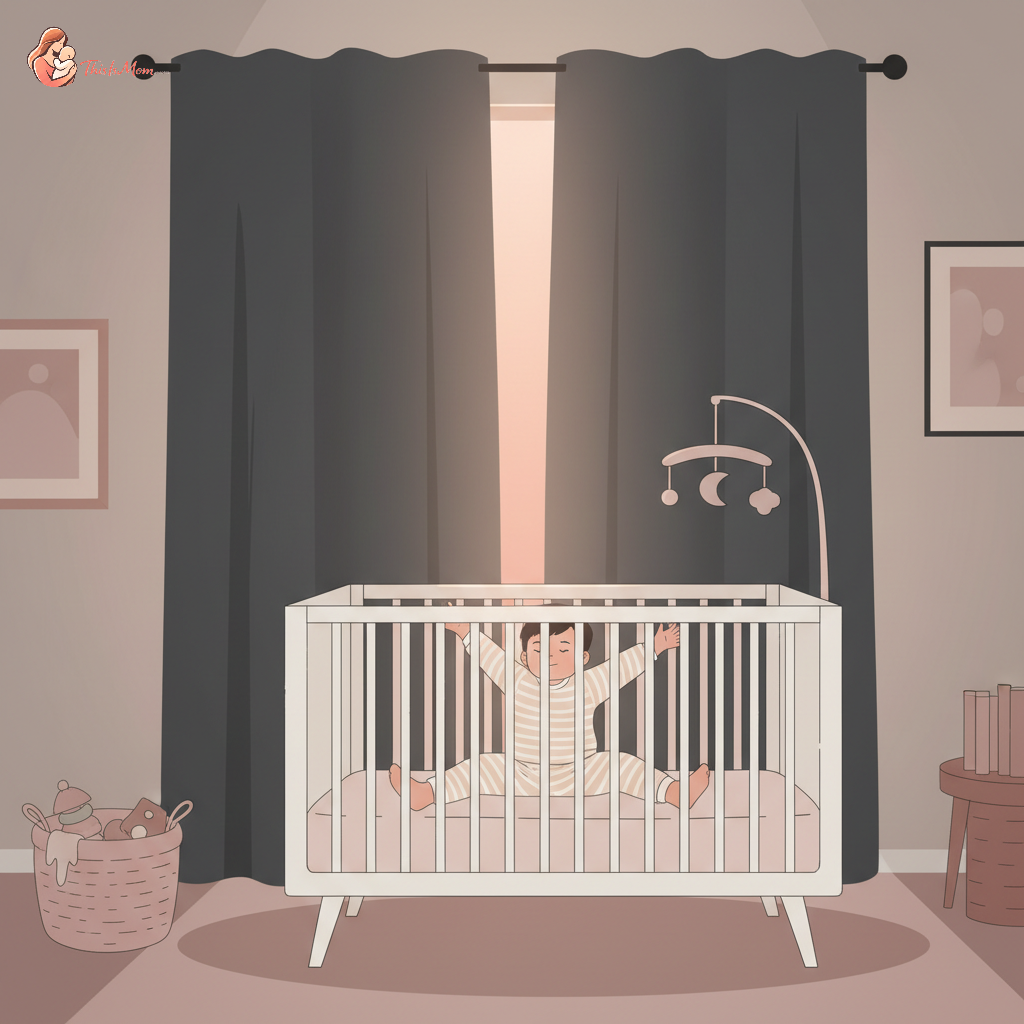
Using blackout curtains, which the American Academy of Pediatrics (AAP) often recommends for optimal sleep environments, is a straightforward way to keep the room dark. This helps to suppress melatonin (the sleep hormone) production and reinforces the idea that it’s still nighttime.
Temperature and Sound: Keeping the Room Just Right
Similarly, maintaining a consistent, comfortable room temperature is key. The AAP suggests a temperature between 68-72°F (20-22.2°C) as generally conducive to sleep. Too warm or too cool can lead to disrupted sleep.
Some families also find that a portable white noise machine for daycare naps is beneficial. It can help mask sudden noises (like garbage trucks or early bird chirping) that might otherwise wake a light sleeper. The consistent, gentle sound can create a more peaceful environment.
The Role of a 'Toddler Clock' for Older Kids
For children who are a bit older and can understand simple instructions, a "toddler clock" or "sleep trainer clock" can be a helpful tool. These clocks change color or display an image to indicate when it's okay to get out of bed. For example, the clock might be dark blue until 7 AM, and then turn yellow when it's time to wake up. This visually teaches them to wait for a designated wake-up time, rather than deciding on their own at 4 AM.
Nudging Bedtime & Naps: Adjusting the Sleep Schedule Gently
Sometimes, the early wake-up is a sign that the whole sleep schedule needs a gentle adjustment. This doesn't always mean pushing bedtime later!
Is an Earlier Bedtime the Answer? (Hint: Sometimes!)
This might seem counterintuitive: if your toddler is waking too early, shouldn't you keep them up later? However, research suggests that overtiredness can lead to fragmented sleep and even earlier waking. An earlier bedtime, by ensuring your child gets enough total sleep, can sometimes resolve persistent early morning wakings. The Centers for Disease Control and Prevention (CDC) outlines recommended sleep durations by age, and ensuring your toddler meets these can be helpful.
If your child is struggling to fall asleep at their current bedtime or seems exhausted during the day, consider shifting bedtime 15-30 minutes earlier.
Nap Adjustments: Too Much or Too Little Daytime Sleep?
Discover your baby's phase
Daytime sleep is crucial for toddlers. However, the timing and duration of naps can significantly impact nighttime sleep. If your toddler is taking very long naps, especially late in the afternoon, it might be reducing their sleep drive for the night.
Conversely, if their naps are too short or they've dropped a nap prematurely (which can happen between 18 months and 3 years), they might be overtired by bedtime, leading to those early wakings. Experimenting with nap length and timing by 15-30 minute increments can sometimes provide the solution.
How to Shift Wake-Up Times Gradually, Not Drastically
Sudden, drastic changes to a toddler's schedule can be disruptive. Instead, aim for gradual shifts. If you're adjusting bedtime, do it incrementally over several days. If you’re trying to re-establish sleep schedule after holiday travel with your baby, you might start by gently reinforcing that it’s not morning yet if they wake before your target time.
The goal is to teach their body and mind that the quiet dark environment is for sleeping, regardless of the exact hour.
Addressing Hunger and Comfort: Beyond Just 'Go Back to Sleep'
When a toddler wakes at 4 AM, it’s natural to wonder if they are hungry, uncomfortable, or simply need reassurance.
Last Snack Before Bed: A Gentle Nudge to Stay Full Longer
Ensuring your toddler has a satisfying, healthy snack about 30-60 minutes before their final bedtime can help them feel fuller for longer. This snack should ideally include a source of protein and complex carbohydrates, rather than just sugary treats. Think yogurt, a small piece of cheese with whole-grain crackers, or a banana.
This is not about force-feeding, but about providing balanced nutrition that supports sustained energy release through the night, potentially reducing night wakings due to early hunger pangs.
Comfort and Connection: Responding to a 4 AM Cry
When your toddler wakes, it’s important to respond calmly and with connection. If they are distressed, a brief, quiet check-in can be reassuring.
The Mayo Clinic suggests that while parental presence is important, the goal is to help toddlers learn to self-soothe. This means offering comfort without making it an exciting event or a gateway to a new routine (like playing or coming into your bed if that’s not desired). Keep interactions brief, quiet, and focused on helping them resettle.
What to Do When Your Toddler is Waking Up at 4 AM Crying
If your toddler waking up at 4 AM crying appears genuinely upset, check for common causes:
- Is the room too hot or cold?
- Are they wet or dirty?
- Are they unwell? (Teething, ear infection, etc.)
- Are they scared of something? (A new noise, a shadow)
A quick check to address immediate needs, followed by a calming interaction, is usually sufficient. If the crying is intense and persistent, consider if something more is going on, and don't hesitate to consult your pediatrician. If you fear the crying is related to discomfort like an ear infection, seek medical advice.
Gentle Strategies When Your Toddler Wakes Early and Won't Sleep
If your toddler wakes up too early and won't go back to sleep, employing gentle, consistent strategies can help them learn to resettle.
The 'Stay in Bed' Game: Encouraging Quiet Time in the Crib/Bed
For older toddlers and preschoolers, you can introduce a "stay in bed" strategy. This is essentially a game where the child earns praise or small rewards for staying in their bed or crib for a set period. Start with very short increments – perhaps just 5 minutes. You can use a visual timer or the toddler clock mentioned earlier. If they stay in bed, offer quiet praise. If they get out, gently and calmly lead them back to bed with minimal fuss. This requires consistency and patience.
Routines for Early Risers: Making the Best of a Challenging Hour
Sometimes, despite your best efforts, your toddler will wake before your desired time. In these cases, the strategy shifts to making the best of it with a calm, predictable routine.
If your child is awake at 5 AM and seems rested and content, you might institute a "quiet time" in their room. They can look at books, play quietly with soft toys, but the understanding is that it's still too early for "big kid" activities like breakfast or cartoons. This can help them learn to manage that early hour more peacefully.
How Do I Get My 4 Year Old to Stop Waking Up at 5 AM?
By age 4, children often have a better understanding of routines and expectations. For a 4 year old waking up at 5 AM, you can be more explicit:
- Reiterate the wake-up time: "Mommy and Daddy are still sleeping. We wake up at 7 o'clock."
- Use a toddler clock: Reinforce the visual cue.
- Offer quiet activities: Provide a basket of quiet books or soft toys in their room for them to engage with independently until the designated wake-up time.
- Consistency is key: Respond calmly and consistently each morning if they wake too early. Remember that establishing new sleep habits takes time and patience. Focus on creating a supportive, predictable environment, and trust that with gentle guidance, your little one will eventually learn to sleep a bit later. The key is to remain calm, consult your pediatrician if you have ongoing concerns, and celebrate the small victories along the way. For parents traveling with infants, learning about safe overnight sleep arrangements can also be crucial for maintaining routines.