Helicopter Parenting & Oral Health: Is Your Care Harming?
Explore how overprotective parenting can unintentionally impact children's dental health and learn strategies to foster independence for lifelong healthy oral hygiene habits.
Helicopter Parenting and Your Child's Oral Health: Is Your Care Harming?
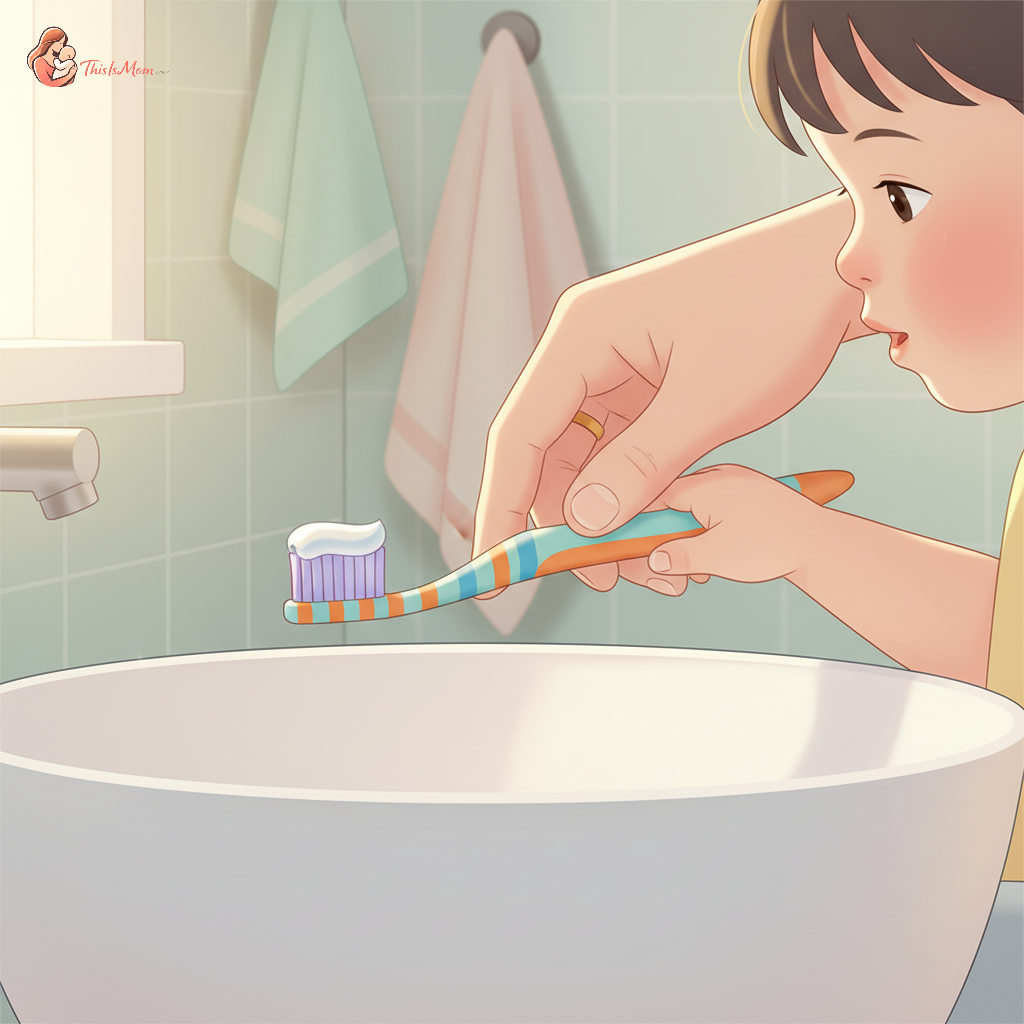
Your child is nearing preschool age, and their toothbrushing habits are a little... laissez-faire. You step in, demonstrating the perfect technique, perhaps even doing a final scrub yourself. Is this just being a diligent parent, or could this 'helicopter parenting' style have an unintended impact on your child's dental health? The connection might not be immediately obvious, but research suggests that how we parent can indeed influence our children's oral hygiene.
This article will explore how well-intentioned overprotective parenting can sometimes create gaps in a child's dental health, and offer practical strategies to foster independence in building lifelong healthy habits. Understanding the helicopter parenting effect on children's oral health is the first step toward ensuring your child develops strong teeth and gums.
The Tendency to Hover and Its Dental Echoes
Helicopter parenting is characterized by a style of raising children that involves hovering and over-involvement in their lives. Parents often make decisions for their children and try to shield them from any difficulty or failure. While this approach stems from a deep desire to protect and ensure success, it can inadvertently undermine a child's ability to develop self-sufficiency in key areas.
The link between this parenting style and oral health might seem tenuous, but consider the routines and responsibilities that contribute to good dental hygiene. Brushing, flossing, and making mindful food choices are all areas where a child needs to learn and eventually master independent skills. When parents are overly involved, they can inadvertently prevent this learning process from happening effectively.
The Unseen Impact: How Shielding Can Harm Tiny Teeth
When parents consistently step in to manage aspects of their child's daily routines, it can inadvertently weaken that child's sense of responsibility. For oral hygiene, this means a child may not fully grasp the importance of their own actions if a parent is always there to correct or complete the task.
Routine Takeovers
For younger children, parental assistance with brushing is expected and necessary. However, as a child grows, the goal is for them to take over more of the task themselves. The guidelines from organizations like the American Academy of Pediatric Dentistry (AAPD) emphasize that children need to learn proper brushing and flossing techniques. If a parent always brushes for a child, or meticulously supervises every second, the child may not develop the finger dexterity or the ingrained habit of thorough cleaning. This constant intervention can lead to missed spots and an increased risk of cavities.
Dietary Negotiations and Sugar Intake
Overprotective parents might also find themselves in constant negotiation over what their child eats, particularly when it comes to sugary treats. While the intention is to prevent unhappy mealtimes or to ensure the child eats something, frequent concessions can lead to a higher intake of sugars. The Centers for Disease Control and Prevention (CDC) highlights that frequent consumption of sugary foods and drinks can significantly increase a child's risk for tooth decay. When children aren't empowered to understand the connection between their food choices and their dental health, they are more likely to opt for less healthy options. Learn how to get your toddler to drink water instead of juice and make healthier choices.
The Dentist Visit Debate
Another area where parenting style can play a role is in managing dental appointments. For very young children, parents naturally schedule and attend these visits. However, as children get older, the AAPD suggests gradual increases in their involvement. If parents consistently shield their child from the process, or handle all communication with the dental team themselves, the child may develop anxiety or a lack of ownership over their own dental care. Conversely, parents who exert too much control, insisting on specific treatments or questioning every recommendation, can also create a negative experience.
Are You Hovering Too Much? Signs to Consider
It can be challenging to self-assess our parenting styles. However, if you recognize any of these patterns related to your child's oral health, it might be a sign that your approach could be unintentionally hindering their progress:
Discover your baby's phase
- You're still brushing your child's teeth for them regularly, even though they are 7 or older. While some supervision is needed, children should be capable of managing their own brushing by this age, with parents ensuring it's done thoroughly. The AAPD suggests children need help with brushing until they can write their name legibly. You can assess your toddler's fine motor skills to see if they are ready for more independence.
- Mealtimes are often a battle over sweets, with frequent parental concessions to avoid conflict. This can signal that unhealthy dietary habits are becoming normalized due to avoidance of difficult conversations.
- You handle all communication with the dentist, and your child (especially if they are 6+) has no input or understanding of why they are there. Their oral health is their responsibility too, and they need to be part of the conversation.
- Your child struggles to manage their own toothbrush and toothpaste independently, showing little interest in the process. This can indicate a lack of empowerment and skill development.
Cultivating Independence for Healthy Smiles
Fostering a child's independence in their oral hygiene is crucial for long-term dental health. The goal is to guide them toward self-care, rather than doing it for them.
Empowering Through Responsibility
Start by setting age-appropriate expectations. For toddlers, it's about making brushing a fun, interactive experience with parental guidance. As they enter early school years, begin teaching them to brush independently, but supervise to ensure thoroughness. By the time they reach middle school, they should be fully capable of managing their own oral hygiene routine. The Mayo Clinic offers tips for establishing healthy habits for children, emphasizing consistency and positive reinforcement.
Making Brushing a Positive Ritual
Turn brushing into something your child looks forward to, not dreads. Use fun toothbrushes, flavored toothpaste (approved by dentists), and consider apps or songs that time brushing for two minutes. The AAPD suggests making oral hygiene a family activity, so everyone brushes together. This helps normalize the behavior and provides opportunities for gentle correction without singling out the child.
Smart Snacking for Healthy Teeth
Educating children about healthy snack choices is key. Focus on fruits, vegetables, cheese, and plain yogurt. Limit sugary drinks and sticky candies that cling to teeth. When snacks are offered, try to pair them with water to help rinse away food particles, as recommended by dental professionals. Baby-led weaning can also be a great way to introduce healthy foods early on.
The Dentist: A Partnership
Regular dental check-ups are non-negotiable for all children. The CDC recommends a child's first dental visit by age one or within six months of their first tooth erupting. Prepare your child by talking about the dentist in a neutral, positive way. Let them know the dentist is a doctor who helps keep their teeth strong and healthy. For older children, involve them in selecting their toothbrush and understanding basic dental concepts. This helps build confidence and reduces anxiety. Screen-free alternatives for waiting rooms can make these appointments less stressful.
Finding the Balance: Guiding Without Dominating
As your child grows, their need for independent care evolves. Understanding developmental milestones can help you adjust your parenting approach.
- Under 3: Parental supervision and assistance are essential. Focus on making it a positive experience.
- 3-6 Years: Children can begin to brush with supervision. You'll likely need to do a "touch-up" to ensure all surfaces are cleaned. They can start to floss with help.
- 7 Years and Older: Children should be able to brush and floss independently. Your role shifts to occasional spot-checks and ensuring they are doing a thorough job.
Positive reinforcement goes a long way. Praise your child for brushing well, for choosing a healthy snack, or for remembering to floss. Avoid punitive measures, which can create negative associations with oral care.
Ultimately, the goal is to build a partnership with your child in their oral health journey. Guide them with consistent routines, education, and support. Let them take ownership of their brushing and flossing as they mature. When you step back at the right times, you empower them to build habits that will benefit their smile for a lifetime.