12 Tips for Managing Mom Rage Without Yelling at Your Toddler
Feeling mom rage? Learn practical tips and long-term strategies for managing mom rage without yelling at your toddler, including real-time de-escalation methods and self-care.
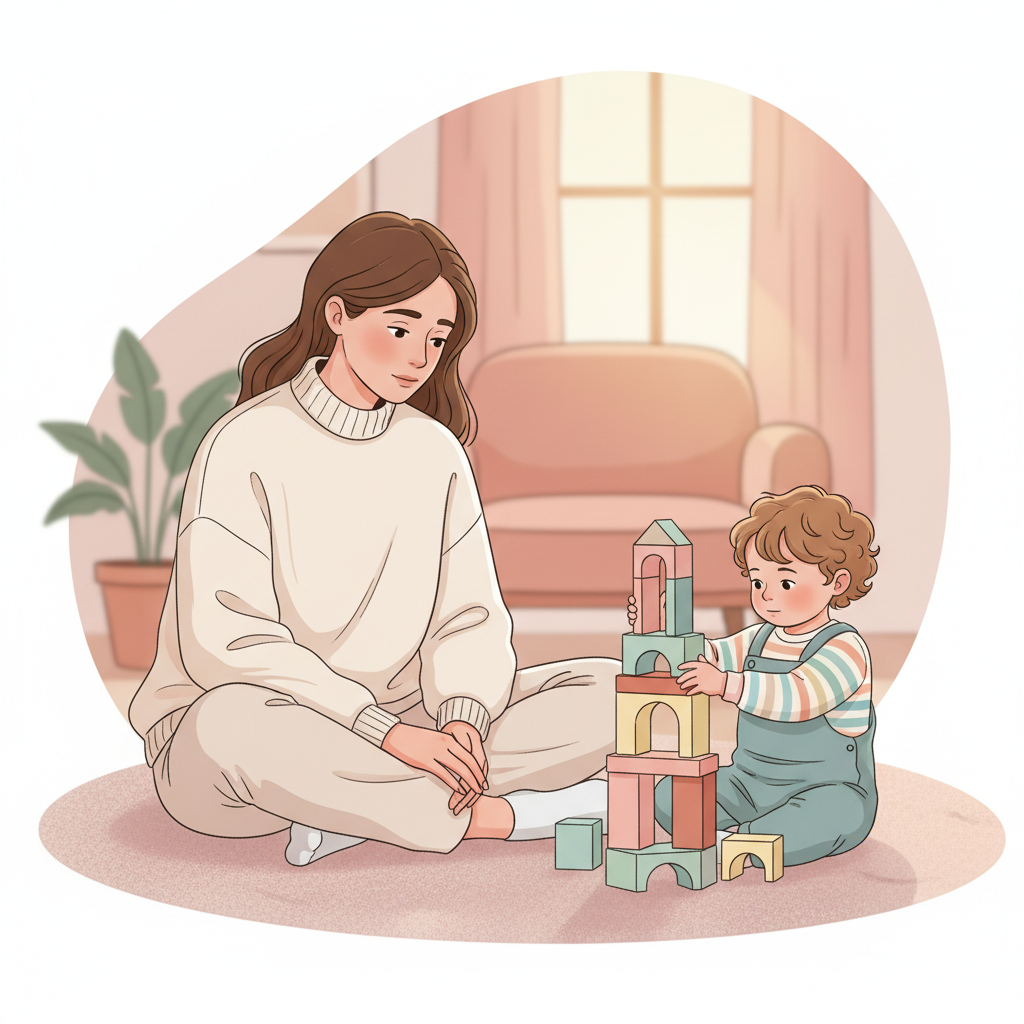
Mom Rage: How to Navigate Explosive Feelings Without Yelling at Your Toddler
It was 4:17 a.m. and I was pretty sure I’d lost a piece of my soul somewhere between the 3 a.m. feeding and the mysteriously sticky floor that still smelled vaguely of old milk. Noah, my sweet, usually-sleepy 9-month-old, had decided tonight was the night to practice his opera scales, punctuated by dramatic flails that threatened to send his sippy cup sailing across the nursery. And me? I was just… done. Bone-deep, unraveling-at-the-seams done.
That’s when it hit. This hot surge of… something. Anger? Frustration? Pure, unadulterated exhaustion manifesting as a primal urge to just scream. It wasn’t directed at Noah, not really. It was at the endlessness, at the lack of sleep, at the fact that I hadn’t peed alone in months. It was mom rage, and it was terrifying. If you're here, looking for tips for managing mom rage without yelling at your toddler, I get you. I’ve been there, and honestly, I still visit sometimes.
What Is Mom Rage, Anyway? (And Why It’s Totally Normal)
Let’s be real: nobody signs up for motherhood expecting to feel like they’re on the verge of an explosion every other day. We see the cute Instagram posts, the sleepy cuddles, the Hallmark movie moments. But the truth is, being a new mom is HARD. And sometimes, that hardship boils over.
It’s More Common Than You Think: Validating Your Feelings
That feeling you’re experiencing? That overwhelming surge of anger that seems out of proportion to the situation (like, say, your toddler refusing to wear pants for the 800th time)? It’s called mom rage. And the sooner we can stop calling ourselves "crazy" for feeling it, the better. It’s a very real, often intense, emotional response to the immense pressures of new parenthood, especially when you have a toddler who is testing every single boundary known to humankind. You are not alone in this.
This isn't about being a "bad" mom; it's about being a human mom who is being pushed to her limits. It’s your body and mind screaming for a break, for some recognition of the Herculean effort it takes to keep tiny humans alive and (mostly) happy. If you're experiencing intense mood swings or persistent sadness, it might be helpful to learn about baby blues vs. postpartum depression and seek support if needed.
Understanding Your Triggers: What’s Really Behind the Volcano?
For me, mom rage usually has a common denominator: deprivation. Not deprivation of food or shelter, but of sleep, of quiet, of personal space, and sometimes, of just a moment to think without interruption.
Your triggers might look a little different, but they’re often rooted in these fundamental needs not being met. It could be:
- Sleep deprivation: The big one. Lack of sleep shortens your fuse significantly.
- Lack of personal time: Feeling like you don't have a moment to yourself can be incredibly suffocating. The constant demands can feel overwhelming, especially when working from home with a toddler.
- Unmet physical needs: Hunger, dehydration, or needing to pee but physically being unable to.
- Overwhelm: Too many demands, too much noise, too much everything.
- Feeling unseen or unappreciated: When it feels like your efforts go unnoticed.
Identifying what sets you off is the first step to disarming it. When I can see that my anger is starting to bubble, I try to ask myself, "What do I actually need right now?" Usually, it’s simple: water, five minutes of silence, or a quick hug from my partner.
In-the-Moment Strategies: How to Hit Pause Before You Pop
Okay, so you feel it. That hot flush, the tightening in your chest, the urge to lose it. Happens to the best of us. Here’s what I’ve learned to do to try and de-escalate before the yelling starts.
The 5-Second Rule: Creating Space to Respond, Not React
This is my go-to. The moment I feel that rise, I mentally count. One. Two. Three. Four. Five. It’s not about magically fixing everything, but it is about creating a sliver of space between the feeling and the action. That tiny pause can be enough to shift from an automatic, reactive state to a more intentional one.
In those five seconds, I try to take one deep breath. Just one. It’s amazing how much difference that can make when you’re spiraling.
Physical Release Techniques: Shaking It Out (Literally)
Sometimes, you just need to move. Yelling is a release of pent-up energy, and if you can redirect that energy physically, you sidestep the yelling part.
- Shake it out: Seriously, literally shake your arms and legs. It feels silly, but it helps release tension.
- Clench and release: Ball up your fists, then forcefully release them. Do the same with your toes.
- Quick dance break: Put on a fast song and just move your body for 30 seconds.
These are quick, discreet ways to discharge some of that built-up physical energy before it turns into words you’ll regret.
Distraction & Diversion: For You and Your Toddler
When your toddler is being a tiny tornado, sometimes the best approach is to change the scenery or the activity. This works for them and, more importantly, for you.
- Change of location: "Hey sweetie, let’s go look out the window for a minute!" or "Let’s go see what the dog is doing!" A quick step outside, even onto your porch, can reset the mood. If you’re preparing for a trip, having travel snacks for picky toddlers can also help change the mood.
- Introduce a new toy or activity: Pull out that special sensory bin or a novel book. A moment of novelty can derail a tantrum (theirs) and your own rising anger. Trying to introduce toilet training to a sensory-sensitive toddler might also require distraction techniques.
- Sing a silly song: Sometimes a sudden burst of absurdity is all it takes to shift the energy in the room.
The goal here is to interrupt the escalating frustration – for both of you.
Long-Term Tools: Building Your Peaceful Parenting Arsenal
Managing mom rage in the moment is crucial, but to truly feel more in control, we need to build some long-term strategies too. This is about creating a foundation of wellness and realistic expectations.
Identifying & Addressing Basic Needs: Yours and Theirs
This loops back to triggers. If I’m running on empty, I’m a ticking time bomb. The same goes for Noah.
- Your needs: Are you eating? Drinking enough water? Getting any downtime? These aren’t luxuries; they’re necessities for your mental health. Asking for life insurance for stay-at-home parents can also be a way to ensure your family's well-being is considered.
- Toddler’s needs: Are they tired? Hungry? Bored? Uncomfortable? Often, challenging behavior stems from an unmet need. A quick snack or a change of diaper can solve a crisis before it starts. You might also need to consider screen time when your toddler is bored.
This requires a bit of proactive thinking, but it’s worth it.
Discover your baby's phase
Setting Realistic Expectations: What Toddlerhood Really Looks Looks Like
This is a big one. Toddlers are not little adults. They are learning to navigate incredible emotions and impulses with a brain that is still very much under construction.
- Big emotions are normal: Tantrums, defiance, and meltdowns are part of toddler development. They’re not personal attacks.
- They won’t always listen: And that’s okay. Your job isn’t to have a perfectly obedient child, but to guide and teach them.
- Progress, not perfection: Some days will be harder than others. Celebrate the small wins and don’t dwell on the perceived failures.
Adjusting your expectations can take a huge amount of pressure off.
Asking for Help: Your Village is There For a Reason
This is the hardest for many of us, myself included. We feel like we should be able to do it all. But the truth is, nobody can.
- Partner support: Talk to your partner about how you’re feeling. Can they take over bedtime? Handle a specific chore? Even just hold the baby for 30 minutes so you can shower?
- Friends and family: Don’t be afraid to call a friend for a quick vent, or ask your mom to watch the baby for an hour so you can go grocery shopping alone.
- Paid help: If it’s feasible, consider a mother’s helper, a babysitter for a few hours a week, or a cleaning service. Your sanity is worth it. Daycare options might also be part of your village.
Your village is your lifeline. Let them be there for you.
When Yelling Happens (Because It Might, And That's Okay Too)
Okay, real talk: Despite all the strategies, sometimes I still yell. Maybe it's a sharp tone, maybe it's a full-on outburst. And in those moments, guilt can feel crushing. But here’s the thing: it happens.
Repairing the Connection: How to Reconnect After a Big Emotion
The most important thing after you yell is to repair. Your toddler needs to know that your love is constant, even when your emotions are messy.
- Take a breath yourself: Get to a calm place.
- Apologize sincerely: Get down to their level. "Mommy is so sorry I yelled. I was feeling very frustrated. That was not okay."
- Explain (briefly): "Mommy was tired, and it made me feel angry, but I should not have yelled at you."
- Reassure them: "I love you very much."
- Reconnect: Offer a hug, a cuddle, or engage in a calm activity together.
This shows your child that big emotions are manageable and that apologies and repairs are part of relationships. It models healthy coping, even from a mistake.
Learning from the Experience: Moving Forward with Grace
Each time I yell, I try to see it as a learning opportunity, not a failure.
- What was the trigger?
- What need was unmet?
- What could I have done differently before it escalated?
It’s about adding to your toolkit, not beating yourself up. You messed up. You acknowledged it, you repaired it, and you’ll try again tomorrow. That’s the goal.
Preventative Care: Proactively Calming the Storm
The best way to manage mom rage is to prevent it from building up in the first place. This requires consistent, sustainable self-care and mindful practices.
Self-Care That’s Sustainable: More Than Just Bubble Baths
We all know self-care is important, but for moms, it often feels like an impossible luxury. The key is to reframe it.
- Tiny moments: Five minutes of quiet in the car before going into the store. Listening to a podcast while folding laundry. A hot cup of tea that you actually get to drink.
- Prioritizing needs: Truly accepting that eating, sleeping, and showering are non-negotiable.
- Saying no: Protecting your energy by declining commitments that will drain you.
It’s not about spa days (though those are great if you can get them!); it’s about small, consistent acts of self-preservation.
Mindful Parenting Practices: Staying Present, Not Perfect
Mindfulness isn't about achieving a state of zen all the time. It’s about acknowledging what’s happening, both internally and externally, without judgment.
- Check-ins: Throughout the day, ask yourself: "How am I feeling right now?"
- Noticing triggers: When you feel that familiar heat rising, do a quick scan: "Am I hungry? Tired? Overwhelmed?" If your toddler is overstimulated after video calls, this can also be a significant trigger.
- Acceptance: Trying to accept the messy, imperfect reality of parenting without constantly fighting it.
This practice helps you catch emotions before they explode and allows you to respond more thoughtfully.
Professional Support: When to Seek Extra Help
There’s absolutely no shame in seeking professional help. If mom rage feels overwhelming, persistent, or you're struggling to function, it's a sign you need more support.
- Therapy: A therapist can provide coping strategies, help you process difficult emotions, and offer a safe space to talk. Perinatal mental health specialists are particularly helpful. Learning about postpartum rage towards inanimate objects can be a sign that professional help is needed.
- Support groups: Connecting with other moms who understand can be incredibly validating.
- Medical check-up: Sometimes, underlying physical issues can contribute to mood swings. A doctor can rule these out.
Remember, asking for help is a sign of strength, not weakness. You deserve to feel well.