When Do the 'Baby Blues' End? An OB-GYN's Timeline
Understand the typical timeline for baby blues according to OB-GYNs, how to differentiate them from PPD/PPA, and when to seek professional support. Learn about postpartum emotional recovery.
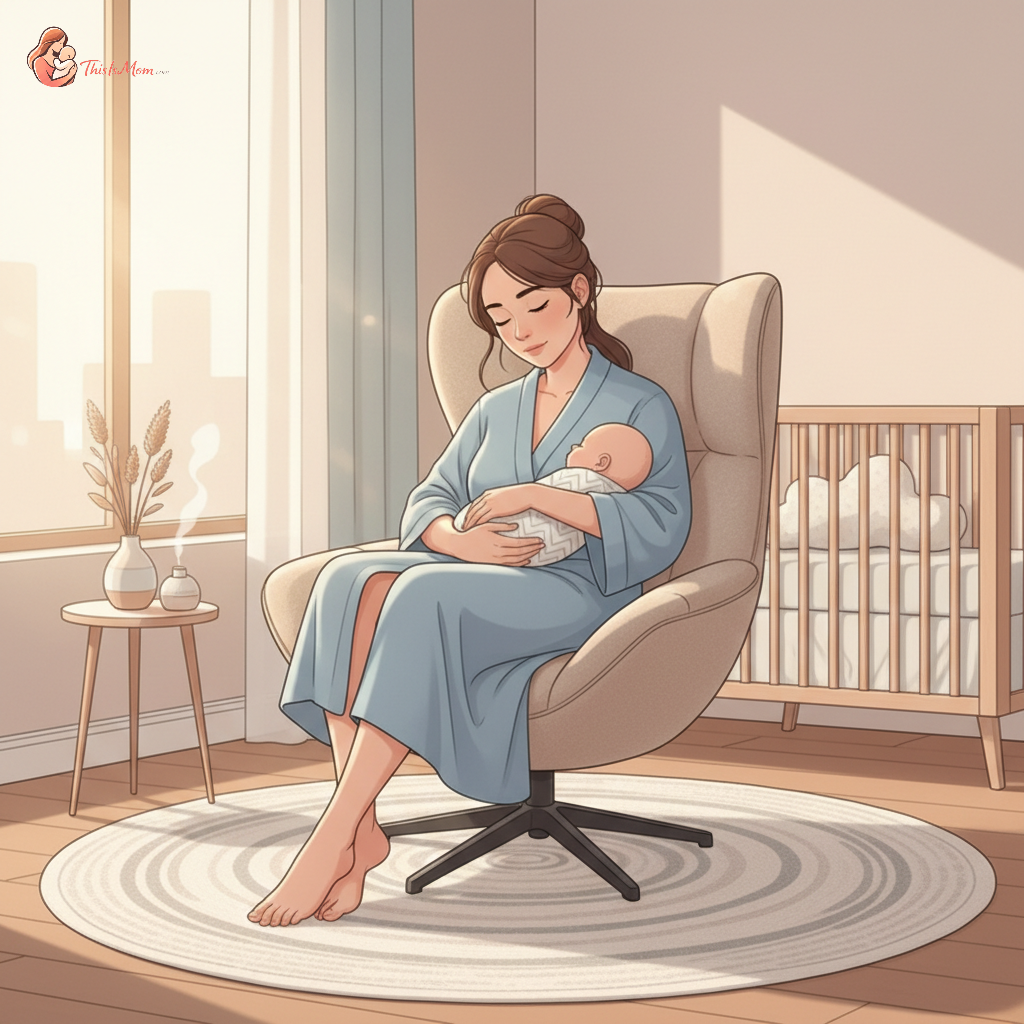
What We Mean by 'Baby Blues'
Think of the baby blues as a natural, albeit intense, emotional response to the massive changes happening after birth. Your body has just performed an incredible feat, and your hormones are doing a dramatic about-face. Estrogen and progesterone levels plummet rapidly after delivery, and this hormonal shift is a primary driver behind the emotional ups and downs. It's crucial to understand that managing these changes can be challenging, and seeking advice on postpartum support is a proactive step.
These feelings often include:
- Mood swings, crying spells, and irritability
- Anxiety and feeling overwhelmed
- Difficulty sleeping, even when the baby is sleeping
- Reduced appetite
The key here is that these symptoms are generally short-lived. They don't typically interfere with your ability to care for yourself or your baby, even though they feel intensely uncomfortable. It's your body and mind adjusting to a new reality.
The OB-GYN's View: Typical Timeline for Baby Blues
From a clinical perspective, the postpartum blues are expected to peak in the first week or two after childbirth. This timeframe is considered the initial adjustment period. During these first 14 days, it's common to experience the emotional fluctuations described above. The physical recovery from childbirth, especially after a C-section shelf or significant labor, can also contribute to these feelings.
Why this timeframe? It aligns with the most significant hormonal recalibration and the intense demands of newborn care. You're learning to breastfeed (or bottle-feed), managing sleep deprivation, and your body is recovering from labor and delivery. The baby blues often subside as your hormones begin to stabilize and you find a bit more rhythm in your new life.
Key indicators that the baby blues are subsiding might include:
- A gradual decrease in crying spells.
- Feelings of overwhelm becoming more manageable.
- Moments of genuine joy and connection with your baby becoming more frequent.
- A return of your usual appetite.
It's important to remember that healing and adjustment aren't linear. There will still be tough moments, but the overall trend should be towards feeling more like yourself. New parent fatigue can also exacerbate these feelings.
When the Blues Persist: Signs of Postpartum Depression or Anxiety
If the symptoms of the baby blues don't start to lift after about two weeks, or if they begin to worsen, it's crucial to recognize that you might be experiencing postpartum depression (PPD) or postpartum anxiety (PPA). These are clinical conditions that require support and treatment.
Discover your baby's phase
Signs that might indicate PPD or PPA, going beyond the typical baby blues timeline, include:
- Persistent or worsening sadness: A deep, heavy sadness that doesn't lift.
- Intense anxiety or panic attacks: Feeling constantly on edge, worried, or experiencing overwhelming fear.
- Loss of interest or pleasure: Not enjoying activities you used to, including spending time with your baby.
- Significant irritability or anger: Feeling easily frustrated or snapping at loved ones.
- Difficulty bonding with your baby: Feeling detached or having negative thoughts.
- Changes in eating or sleeping: Eating significantly more or less, or experiencing insomnia.
- Thoughts of harming yourself or your baby: This is an emergency warning sign. If you have such thoughts, please reach out for help immediately.
The intensity and duration of these symptoms are key differentiators. While baby blues are a brief storm, PPD and PPA are more like a persistent cloud that can significantly impact your ability to function and enjoy this time.
Knowing When to Reach Out to Your OB-GYN or Care Provider
There are specific times when it's essential to contact your OB-GYN, midwife, or another healthcare provider. They are your partners in navigating this journey and can offer guidance and support. Free at-home nurse visits can also offer valuable support during this period.
You should reach out if:
- Your baby blues symptoms are lasting longer than two weeks.
- The intensity of your symptoms seems to be increasing rather than decreasing.
- You feel overwhelmed, hopeless, or unable to cope with daily life.
- You are having thoughts of harming yourself or your baby. This warrants immediate medical attention. Call your doctor, go to the nearest emergency room, or call 911 or the National Suicide Prevention Lifeline at 988.
- You're experiencing severe anxiety or panic attacks that interfere with your daily life.
- You are struggling with feeding your baby or caring for yourself in basic ways.
Your care provider can screen you for PPD/PPA, discuss treatment options, and connect you with necessary resources. It's never a sign of weakness to ask for help; it's a sign of strength and self-awareness.
You're Not Alone: Navigating the Path Forward
The postpartum period is a significant transition, and it's okay to need support. You don't have to navigate these feelings in isolation.
Consider these avenues for help:
- Open Communication: Talk honestly with your partner, family, or trusted friends. Sharing your feelings can lighten the burden.
- Therapy and Counseling: A therapist specializing in perinatal mental health can provide invaluable tools and strategies for managing PPD/PPA.
- Medication: In some cases, medication may be recommended by your doctor to help manage symptoms. This is a decision made in partnership with your healthcare provider.
- Support Groups and Helplines: Connecting with other new mothers can be incredibly validating. The Postpartum Support International (PSI) helpline is a great resource.
Remember, seeking help is an act of profound self-care and is vital for your well-being and your ability to bond with and care for your baby. This time is about profound adjustment, and your feelings are valid. Trust your intuition, honor your body's signals, and know that reaching out for professional guidance is a powerful step in your postpartum journey. You've got this, and support is available.