Toddler Only Eating Yellow Foods? What to Do & When to Worry
Is your toddler only eating yellow foods? This guide offers gentle strategies to expand their diet, explains why they might prefer yellow, and when to seek professional help.
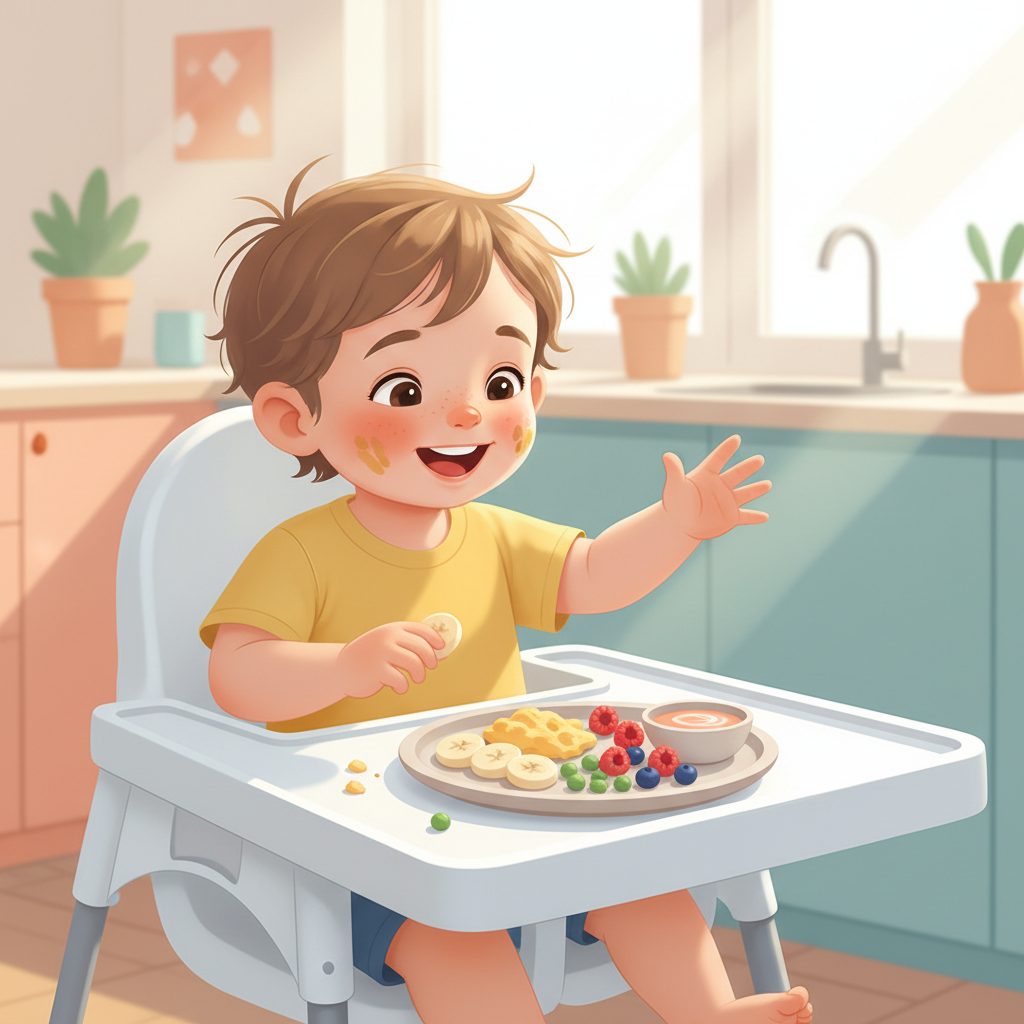
Toddler Only Eating Yellow? How to Gently Expand Their Palette
When my first child, Liam, was a toddler, I spent countless hours agonizing over every bite. If it wasn't a perfectly balanced meal, I felt like a failure. Now, with my fourth, little Clara, who is currently in a phase where her plate resembles a highlighter explosion, I’ve learned a crucial lesson: not to let the dinner table become a battleground. This whole toddler only eating yellow foods, what to do panic? It’s real, and you are absolutely not alone.
Looking back, the pressure I put on myself with Liam was completely unnecessary. The truth no one tells you is that toddlerhood is a rollercoaster of intense preferences, and sometimes, those preferences become incredibly specific. For Clara, it’s yellow. Bananas, scrambled eggs, tiny bits of cheese, some crackers. Everything else? A hard pass. If I could tell my younger self one thing, it would be to breathe and remember that these phases, while maddening, are usually temporary.
Why the Yellow Fixation? It’s More Than Just Picky Eating
Toddlers are developing their independence, and food is one of the few areas where they have significant control. Think about it from their perspective: the world is a big, overwhelming place with new sights, sounds, and sensations every day. A familiar color, like yellow, can feel incredibly safe and predictable. It's not necessarily about rejecting other foods; it's about clinging to what feels known.
This ‘yellow phase’ or any extreme food preference is often just a flavor of normal picky eating. Most toddlers go through this. They might suddenly refuse a food they loved yesterday or decide they only want crunchy things. The key is to discern when it’s a typical developmental stage and when there might be something more to address. If your toddler is refusing foods they used to love, check out these reasons why a toddler might suddenly refuse previously loved foods.
The Psychology Behind the Golden Hue: Why Yellow?
It’s fascinating to consider what draws them to certain foods. For toddlers, it’s often about textures, temperatures, and predictability. Yellow foods, like bananas or scrambled eggs, tend to have softer textures that are easy to manage. They’re often served warm or at room temperature, which is less intimidating than something piping hot or unexpectedly cold.
This preference for yellow often stems from a desire for comfort and familiarity. They’ve likely had yellow foods that were consistently pleasant. Expanding their diet beyond these established favorites can feel daunting to them. They’re not trying to make your life difficult; they’re navigating their sensory world and seeking out what feels secure.
Gentle Strategies to Expand Their Palette Beyond Yellow
The goal here isn’t to force-feed or make them eat what they don’t want. It’s about gentle exposure and creating positive associations with a wider variety of foods.
The 'Expose and Explore' Method (Without Pressure)
This is my go-to strategy now. You offer new foods alongside safe, accepted foods. Don’t make a big deal out of it. Put a tiny piece of broccoli next to the banana. The idea is exposure, not consumption. They might look at it, poke it, or lick it. That’s progress!
- Offer variety at every meal: Even if they only eat the yellow item, ensure other colors and food groups are present on their plate.
- Small portions are key: A huge pile of unfamiliar food can be overwhelming. A single pea or a tiny sliver of carrot is less intimidating.
- Don't demand or bribe: This creates negative associations. Focus on making food available and interesting.
Making Mealtimes Positive: When to Offer, When to Back Off
Mealtimes should be a pleasant family experience, not a source of stress. If you find yourself constantly negotiating, it’s time to step back. Offer the meal, give them ample time to eat, and then clear the table without comment.
If they’re clearly refusing to engage with certain foods, back off for that meal. You can reintroduce it another day. The pressure to eat can often backfire, leading to stronger refusals. The goal is to keep the overall mealtime atmosphere calm and positive. This is especially important when dealing with potential 'mom rage' if mealtimes become too stressful.
Creative Ways to Introduce New Colors (Think Dips and Garnishes)
This is where some clever parent-hacks come in handy for a picky eater with yellow foods. Sometimes, a new color can be introduced if it's presented in a non-threatening way.
- Dips are your friend: Offer a small amount of a new puree-like dip (like avocado, hummus, or even a mild sweet potato puree) with a familiar yellow cracker. They might dip the yellow into the green! For active toddlers, it's important to find snack pouches without added sugar to complement their diet.
- Sauces and purees: Blend a mild veggie, like zucchini or cauliflower, into a familiar sauce (like a mild tomato sauce, if they accept that).
- Tiny garnishes: Sprinkle a few finely chopped berries or herbs on top of their yellow food. It’s a visual change without demanding they eat it.
Discover your baby's phase
When to Be Concerned: Spotting Red Flags in Picky Eating
While picky eating is incredibly common, there are times when it’s worth a closer look. The biggest lesson I’ve learned is to trust your gut. If something feels off, it’s okay to seek professional advice.
Is It Normal for a 2-Year-Old to Barely Eat?
It’s common for toddlers to eat less at any given meal than you might expect, especially after their first birthday. Their growth rate slows down. However, if your child consistently eats very little across all food groups for an extended period, that's a different story. This is especially pertinent when considering AAP guidelines on added sugar for 2-year-olds.
Weight Loss or Lack of Growth
This is the most significant red flag. If your child is losing weight or not gaining according to their growth curve, it’s essential to consult a pediatrician. They can track growth and determine if there are underlying issues.
Extreme Reactions to New Foods or Textures
While some resistance is normal, an extreme fear or gagging response to any new food or texture might indicate a sensory processing issue or oral motor difficulty. If your toddler has development concerns, consider sensory activities for toddlers with speech delay.
When to Call Your Pediatrician for Guidance
Don't hesitate to reach out to your child's doctor if you notice:
- Significant weight loss or failure to gain weight.
- A very limited diet that causes concern about nutritional deficiencies.
- Extreme choking, gagging, or vomiting with new foods.
- A strong aversion to textures that are essential for development (like chewing).
- Your child seems distressed or anxious about mealtimes.
Remember, your pediatrician is your partner in your child’s health. They can provide reassurance, offer tailored advice, and refer you to specialists like a registered dietitian or feeding therapist if needed.
Beyond the Plate: Making Food Fun & Stress-Free
My philosophy has shifted from focusing solely on what they eat to how they interact with food and mealtimes. When food becomes a source of joy and connection, the eating itself often follows.
Involving Toddlers in Meal Prep
Even the youngest toddlers can help with simple tasks. Washing vegetables, stirring ingredients (with supervision, of course), or tearing lettuce can make them feel invested in the meal. Seeing and touching food in a low-pressure environment can be a great desensitizer. This can be particularly helpful when dealing with toddler constipation when starting solids.
Family Meals: Eating Together Matters
This is huge. When everyone sits down together, and you model enjoying a variety of foods, it sends a powerful message. Your toddler sees you and other family members eating different colors and textures without fuss. It normalizes variety. Even if they only eat their yellow food, being part of the family ritual is beneficial.
The Role of Snacks: Balance and Timing
Snacks are important for toddlers, but they can easily fill up on them, leaving no room for meals. Try to offer snacks about midway between meals. If your toddler is filling up on snacks, reconsider the timing or portion sizes of those snacks. Offer a balanced snack that includes protein or healthy fats, not just empty calories.